Technical
Molded cup approval: compare geometry, material and the finished bra
A molded cup should not be approved only because it looks smooth on a table.
Define the decision
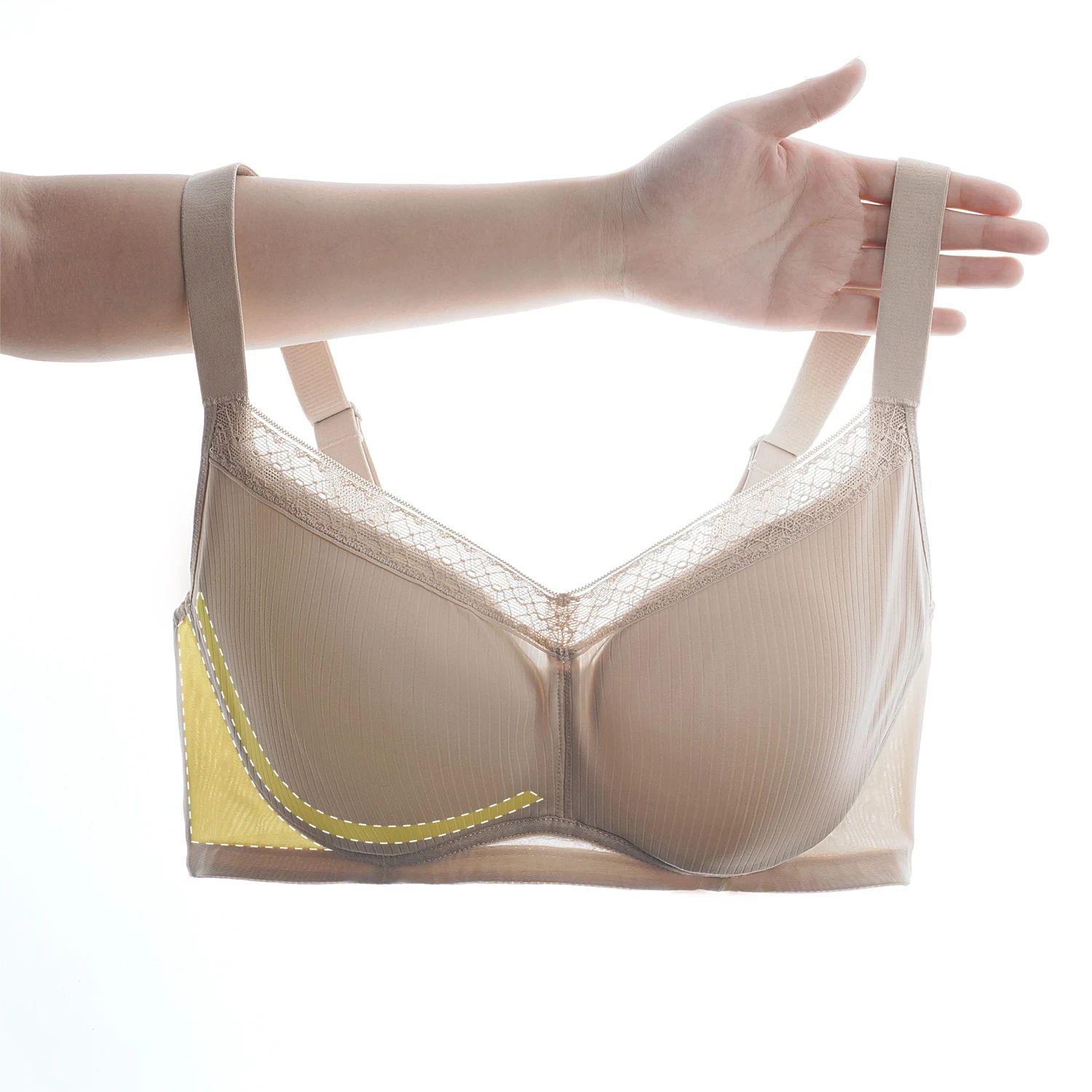
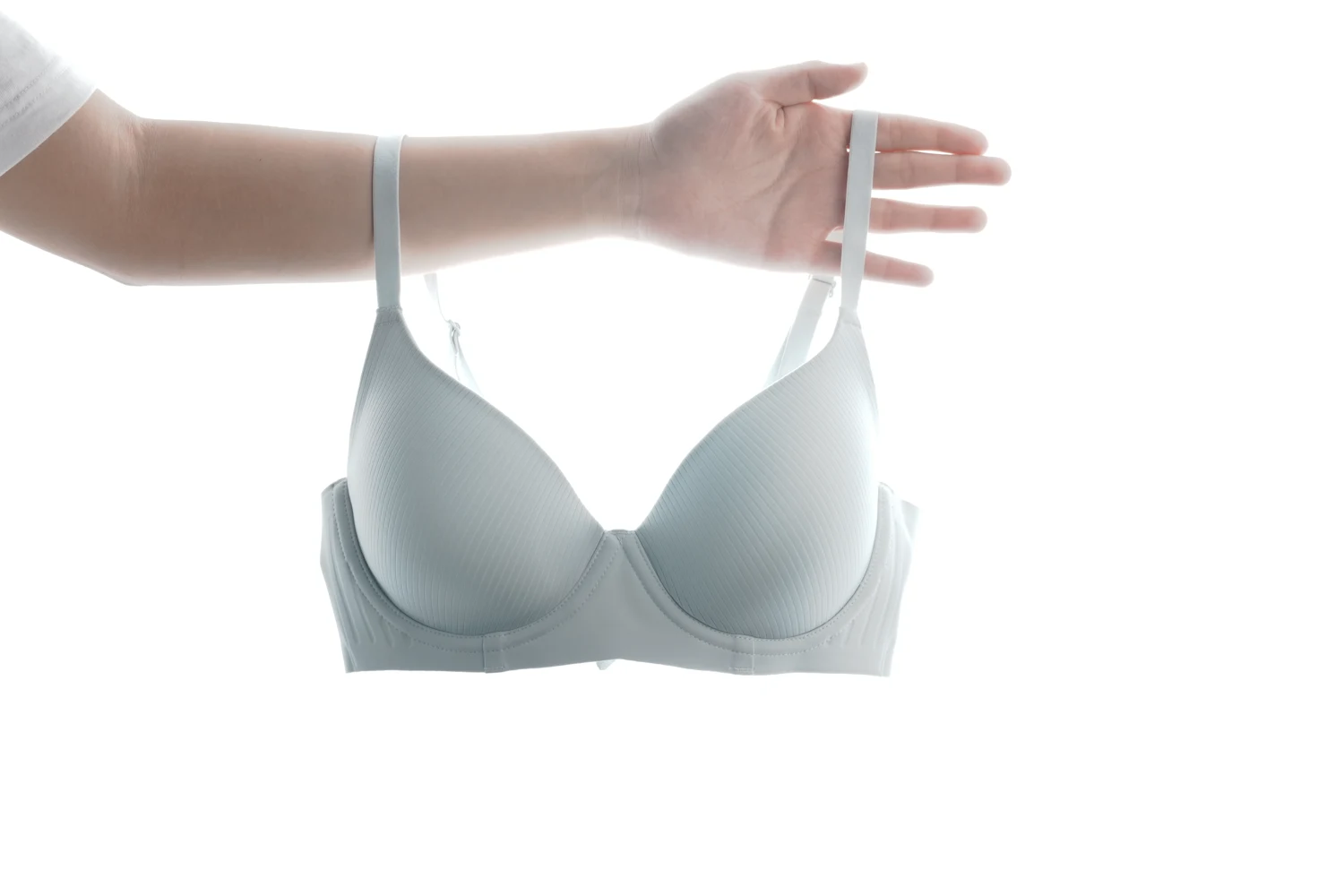
A molded cup should not be approved only because it looks smooth on a table. The cup has to work with its covering fabric, lining, cradle and intended wearer. Begin by recording cup reference, sample size, left and right orientation, foam or laminate specification, intended coverage and the finished bra construction. Keep the target shape separate from the target hand feel. A softer cup may still need a different neckline or base geometry, so an attractive standalone component is only the beginning of the review.
What to review
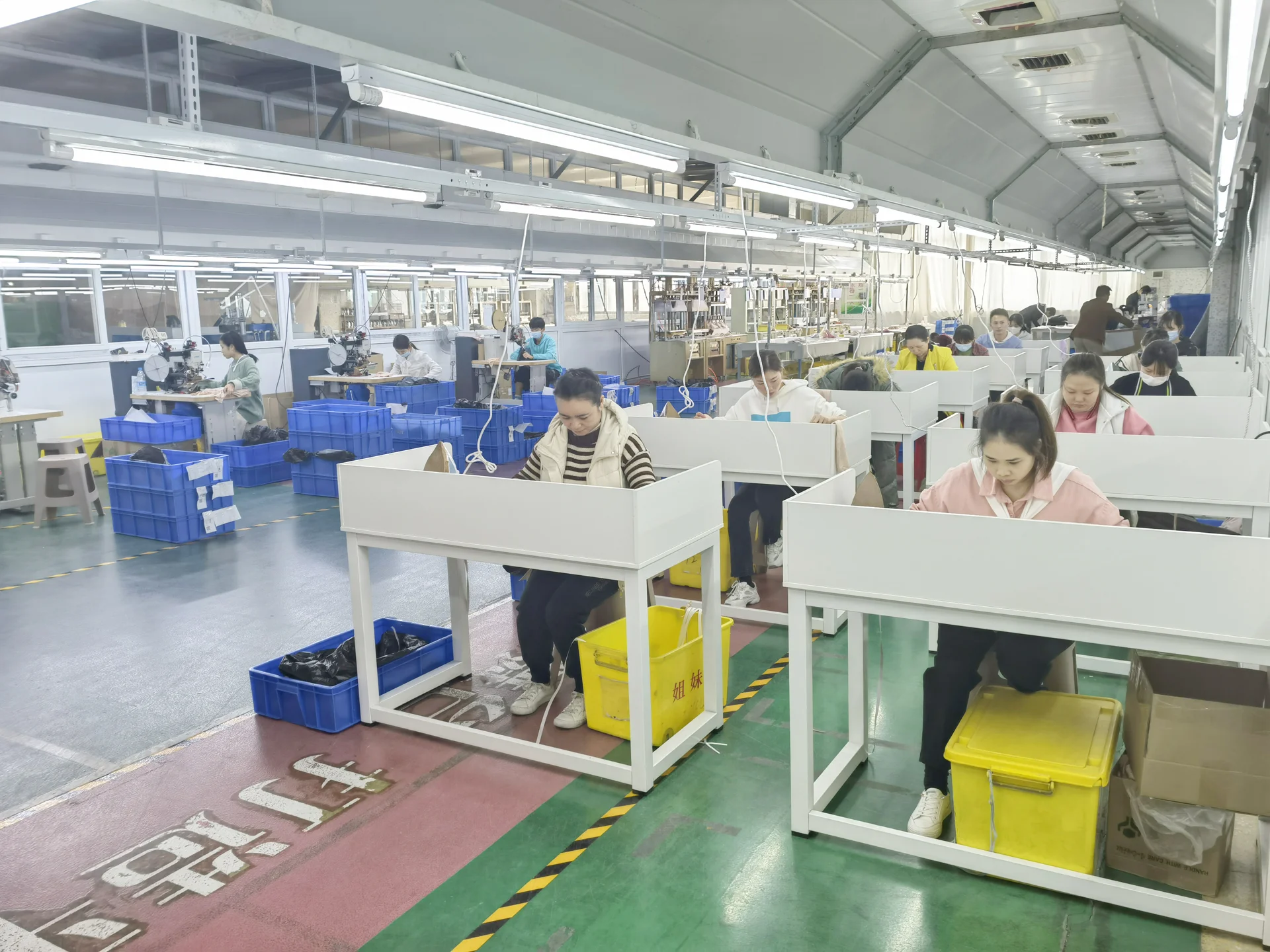
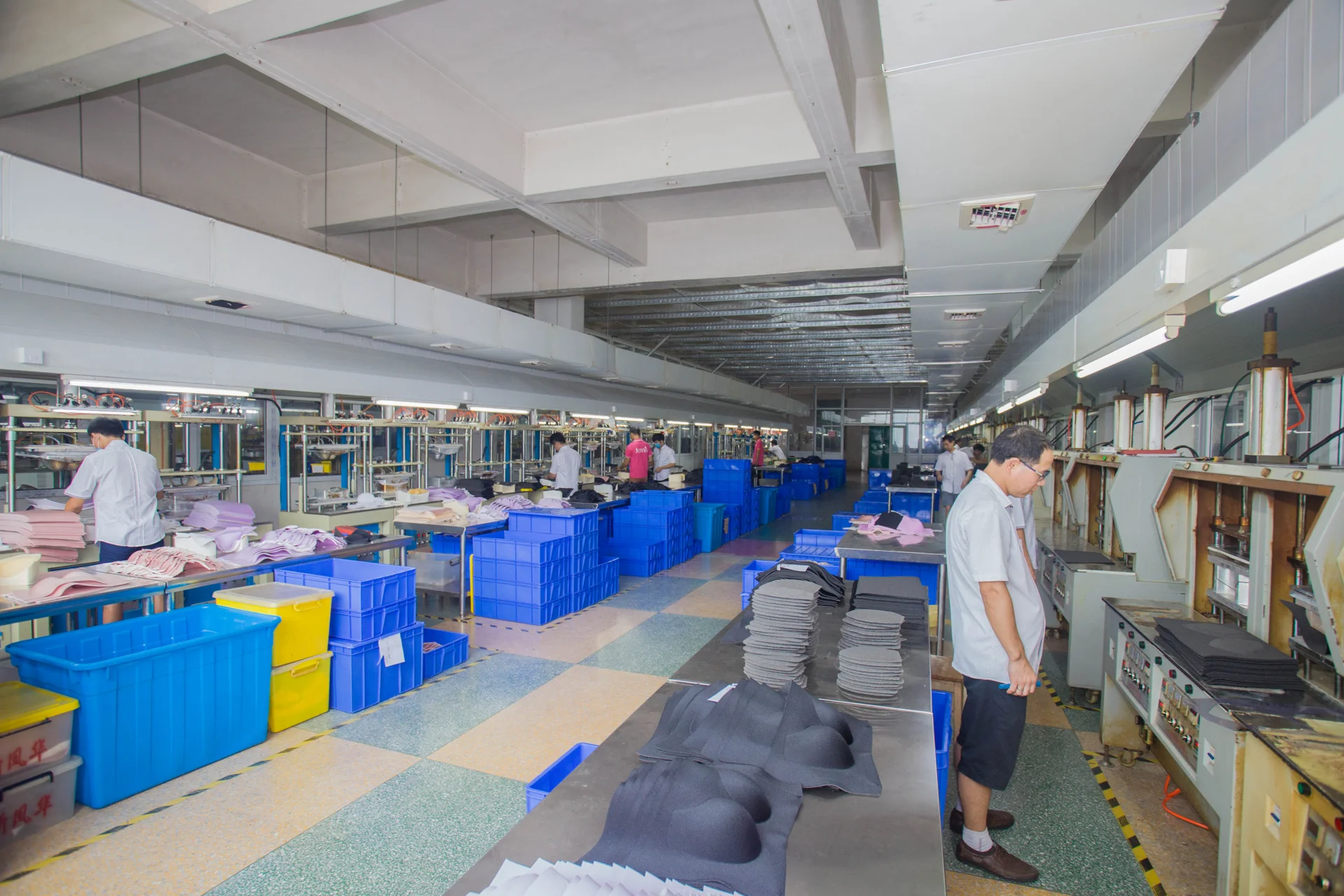
JEMIS's presentation identifies an in-house molded cup plant and illustrates a workshop and cup display on slide 11. This establishes a documented area of process capability; it does not mean every mold in the presentation is suitable for a buyer's design. Ask for the proposed cup reference and compare matching pairs under consistent lighting. Inspect edge thickness, surface marks, left-right symmetry and how the cup sits in the intended cradle. Review a finished sample as well as loose cups, because fabric tension and assembly can change the visible shape. Record what is observed rather than assigning an unexplained pass or fail.
Turn the review into an approval
For approval, keep a physical reference pair with a revision identifier and attach measurement locations, permitted variation and agreed appearance criteria. Changes to foam, covering fabric or shape should trigger a review of the affected checks. Ask how component identification will be retained through sampling and production so that an approved shape can be traced to the correct specification. Agree any washing or packing evaluation on the finished garment. This article provides a buyer review framework, not a claim that an undisclosed order has passed a test or achieved a particular defect rate.