sourcing
Seamless Look Specs for Global Fit and Support: Aligning Bonding Techniques with Regional Expectations
Guide procurement teams on defining seamless visual expectations across US, EU, and LATAM markets. Learn how to align bonding techniques with regional fit needs, ensuring olive tones and fine textures meet local comfort standards while reducing costly sample revisions.

Defining Seamless Visual Expectations Across Key Markets
When developing a seamless-look concept, such as the minimal seamless bra, it is crucial to define visual expectations early. In the US and EU markets, buyers often prioritize a clean neckline that maintains visibility under clothing without compromising support. Conversely, LATAM markets may have different comfort standards regarding fine textures. Failing to align these expectations can lead to the rejection of bonded samples. By establishing clear criteria for how the seamless look translates from brief to finished sample, procurement teams can prevent costly revisions and ensure global consistency.
Mapping Bonding Techniques to Regional Fit Needs
Bonding techniques must be mapped carefully to regional fit needs. For instance, olive tones and fine surface textures require specific material selection to meet local comfort standards. The bonding process creates clean lines and considered finishing, but the underlying construction must support the intended product. If a sample is developed with a bonding technique that feels too rigid for a region accustomed to softer intimate apparel, it will not succeed. JEMIS Intimates works with brand teams to translate these fit, material, and construction requirements into thoughtfully made pieces, ensuring that the seamless look does not sacrifice comfort for aesthetics.
Establishing a Traceable Decision Process for Clean Necklines
A traceable decision process is essential for maintaining clean necklines. Visibility under clothing is assessed on samples, which means the material selection must be evaluated rigorously. This evaluation should happen during the sample development phase, where materials, sizing, colours, and order terms are confirmed. By documenting these decisions, buyers can ensure that the seamless-look concept translates correctly from brief to finished sample. This approach reduces ambiguity and ensures that the final product meets the specific requirements of the target market.
Aligning Material Selection with Specific Sizing Ranges
Material selection must align with specific sizing ranges to ensure the seamless-look concept translates correctly. A size range is defined through fitting, not just by standard measurements. For example, a minimal smooth-cup bra or a full-cup leaf-pattern bra requires different material considerations depending on the bust development. The size range is defined through fitting, ensuring that the garment integrates well with the body shape. This alignment prevents issues where a seamless design fails to provide adequate support or comfort for specific body types.
The Role of In-House Molded-Cup Capabilities
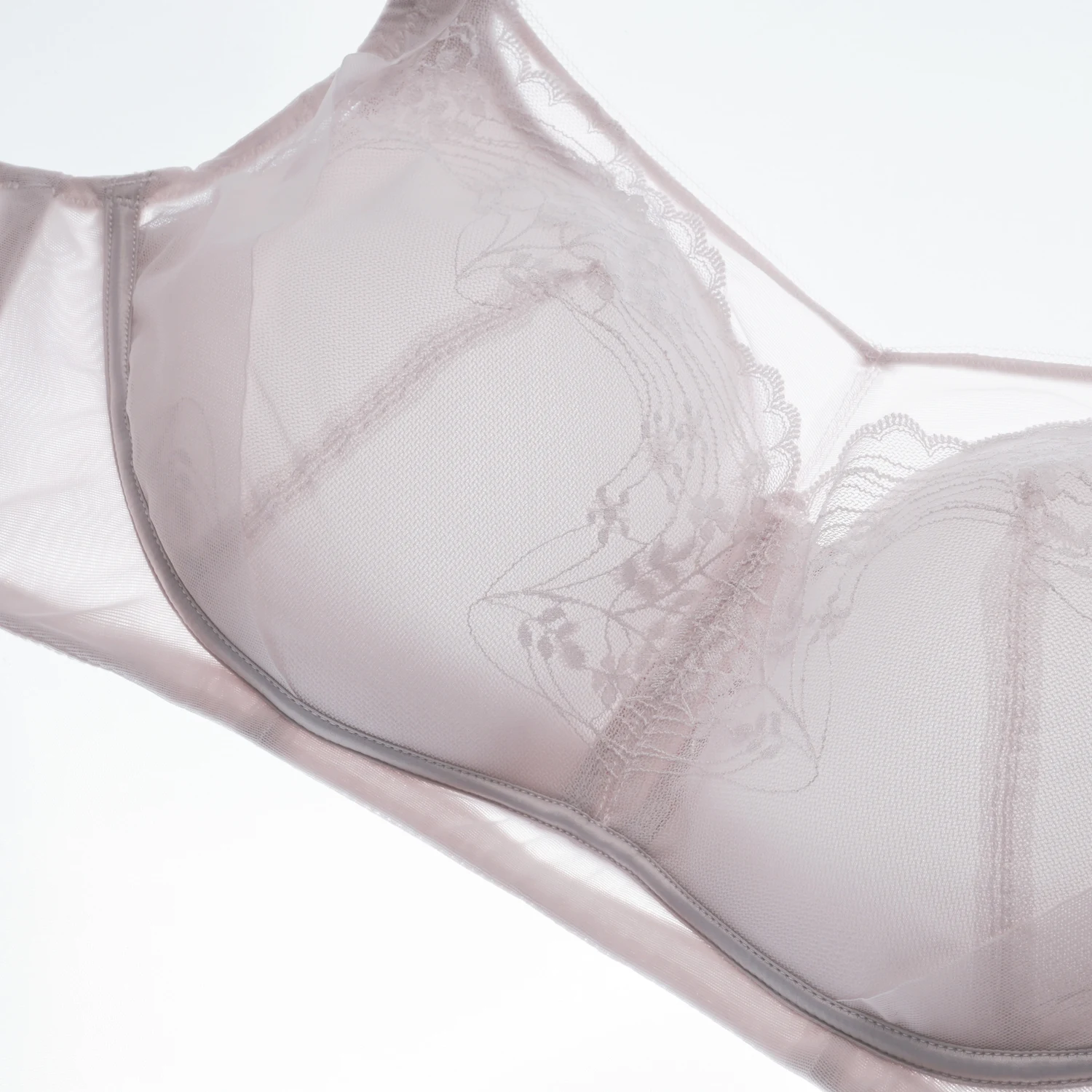
JEMIS Intimates brings design, sampling, molded-cup development, and garment manufacturing together. This integrated approach allows for shape-led development supported by in-house molded-cup capabilities. Whether exploring cup profiles or integrating materials into a seamless construction, the development team ensures that the product meets high standards. This capability is particularly important when working with complex designs like lace longline shaping styles or geometric lace longline bras, where precise garment construction is required to achieve a coherent collection.
Reducing Costly Sample Revisions Through Early Specification
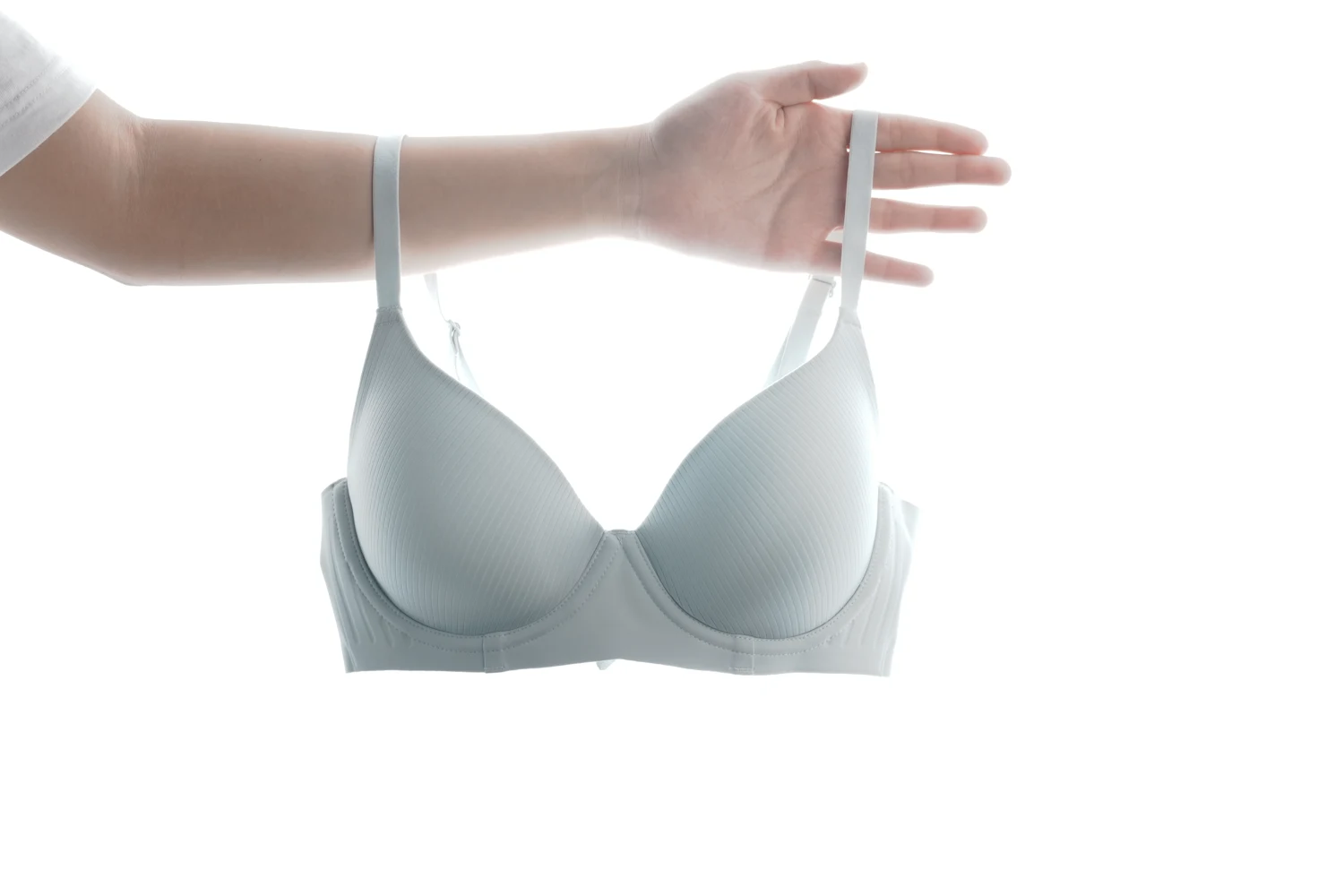
This guide helps buyers specify seamless construction details early, reducing costly sample revisions. By confirming materials, sizing, colours, and order terms during sample development, brands can avoid the pitfalls of late-stage changes. For instance, if a turquoise colour-block sports bra requires specific support levels, these must be tested before finalizing the design. Similarly, for a smooth mint-tone bra, the decorative centre detail must be integrated without compromising the clean look. Early specification ensures that the intimate apparel collection is ready for launch with global consistency.
Conclusion: Ensuring Global Consistency for Intimate Apparel Collections
In conclusion, aligning bonding techniques with regional expectations is vital for success in the intimate apparel industry. By following a structured decision process and leveraging JEMIS Intimates' capabilities in design and manufacturing, buyers can create collections that meet diverse market needs. From wireless comfort to lace detailing, every aspect of the garment must be considered. This ensures that the seamless-look concept translates correctly from brief to finished sample, delivering high-quality products that customers trust.