sourcing
Defining Wireless Fit Briefs for Global Markets: Aligning Cup Geometry with Regional Support Needs
Procurement teams can leverage this topic to create precise technical specifications, reducing sample iterations by clarifying 'wireless' expectations early in the design phase and ensuring consistent fit quality across international orders.
Defining Wireless Fit Briefs for Global Markets: Aligning Cup Geometry with Regional Support Needs
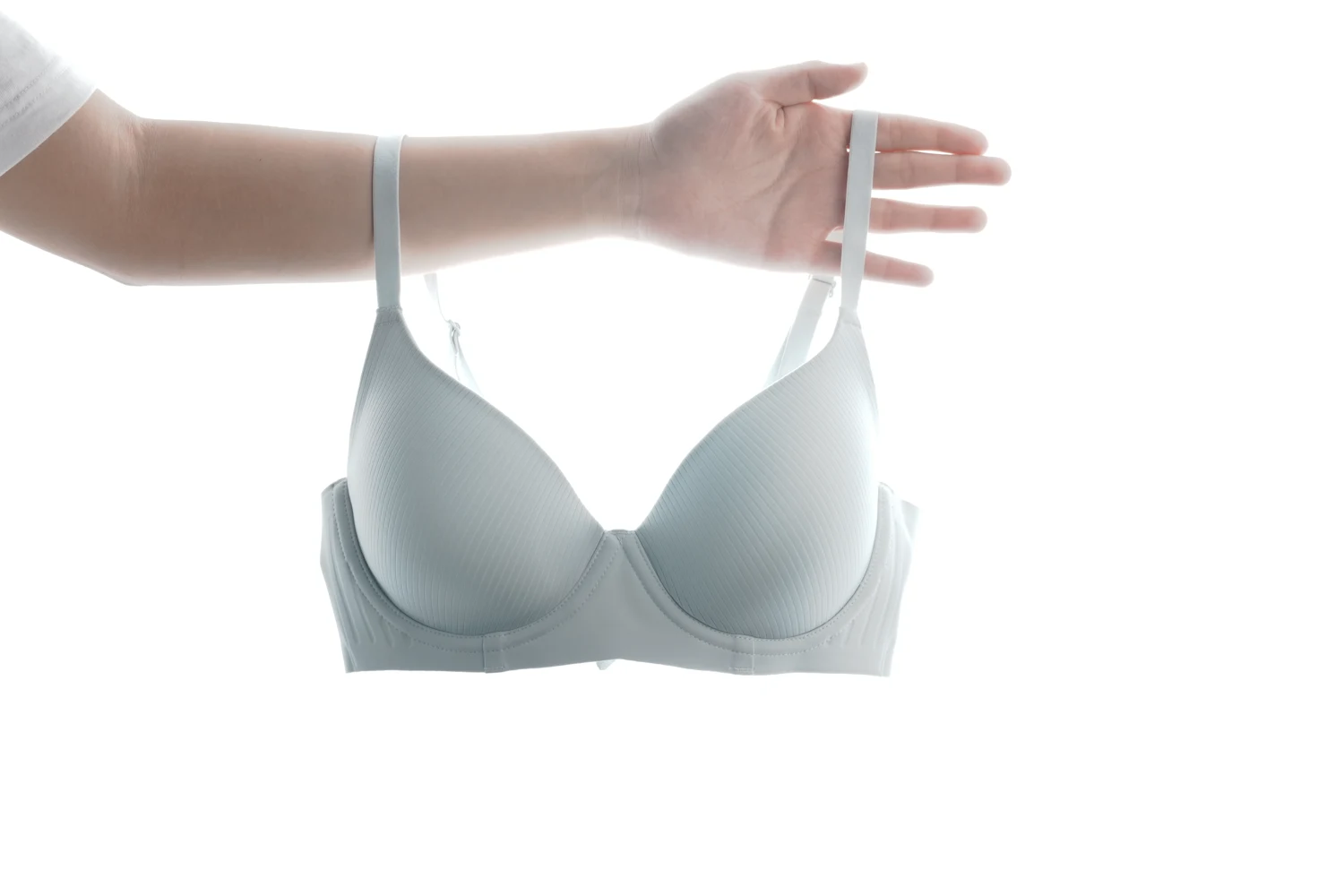
In the evolving landscape of intimate apparel, the definition of 'wireless' has shifted from a simple absence of underwires to a sophisticated requirement for engineered support. For procurement teams managing global supply chains, particularly with partners like JEMIS Intimates, clarity is paramount. A wire-free construction does not imply a lack of structure; rather, it demands precise alignment between cup geometry and the specific anatomical needs of diverse regional markets. Understanding these nuances early in the design phase is critical to reducing sample iterations and ensuring that the final product delivers both comfort and necessary lift.
Analyzing Regional Variations in Cup Shape Requirements
Cup shape requirements vary significantly across different markets due to diverse body types and cultural preferences. In some regions, a full-coverage cup profile is essential for containment and modesty, while others prioritize a lower-cut silhouette that offers lift without compression. When developing wire-free briefs, it is vital to avoid generic assumptions. A standardized development brief template must capture these specific support needs without relying on steel frames or traditional underwires. This involves detailed discussions on cup depth, gore height, and side panel construction to ensure the garment adapts to local demographics while maintaining the intended aesthetic.
Establishing a Standardized Development Brief Template
To streamline communication between brand teams and manufacturing partners, a robust development brief is essential. This document should explicitly define the 'wireless' expectation: does the product require zero structure for maximum softness, or does it need engineered support through strategic seaming and fabric tension? The brief must detail the target cup geometry, specifying whether a molded profile is needed to maintain shape over time or if a bonded seamless approach is preferred. By clarifying these parameters early, procurement teams can prevent costly misunderstandings later in the production cycle, ensuring that the garment structure supports the wearer effectively without compromising on the comfort profile.
Evaluating Material Combinations for Lift and Containment
Material selection plays a pivotal role in achieving support without wires. Procurement teams must evaluate fabric combinations that provide necessary lift and containment while maintaining the wireless comfort profile. High-density foam or structured cotton blends can offer shape retention, whereas softer jersey fabrics rely on tension engineering for fit. The choice of material affects how the cup interacts with the body; a well-chosen combination ensures that the bra does not flatten against the chest but rather cradles it. When working with partners who possess in-house molded-cup capabilities, exploring these material options allows for custom profiles that meet regional support needs without adding unnecessary weight or rigidity.
Reviewing Finishing Techniques for Seamless Integration
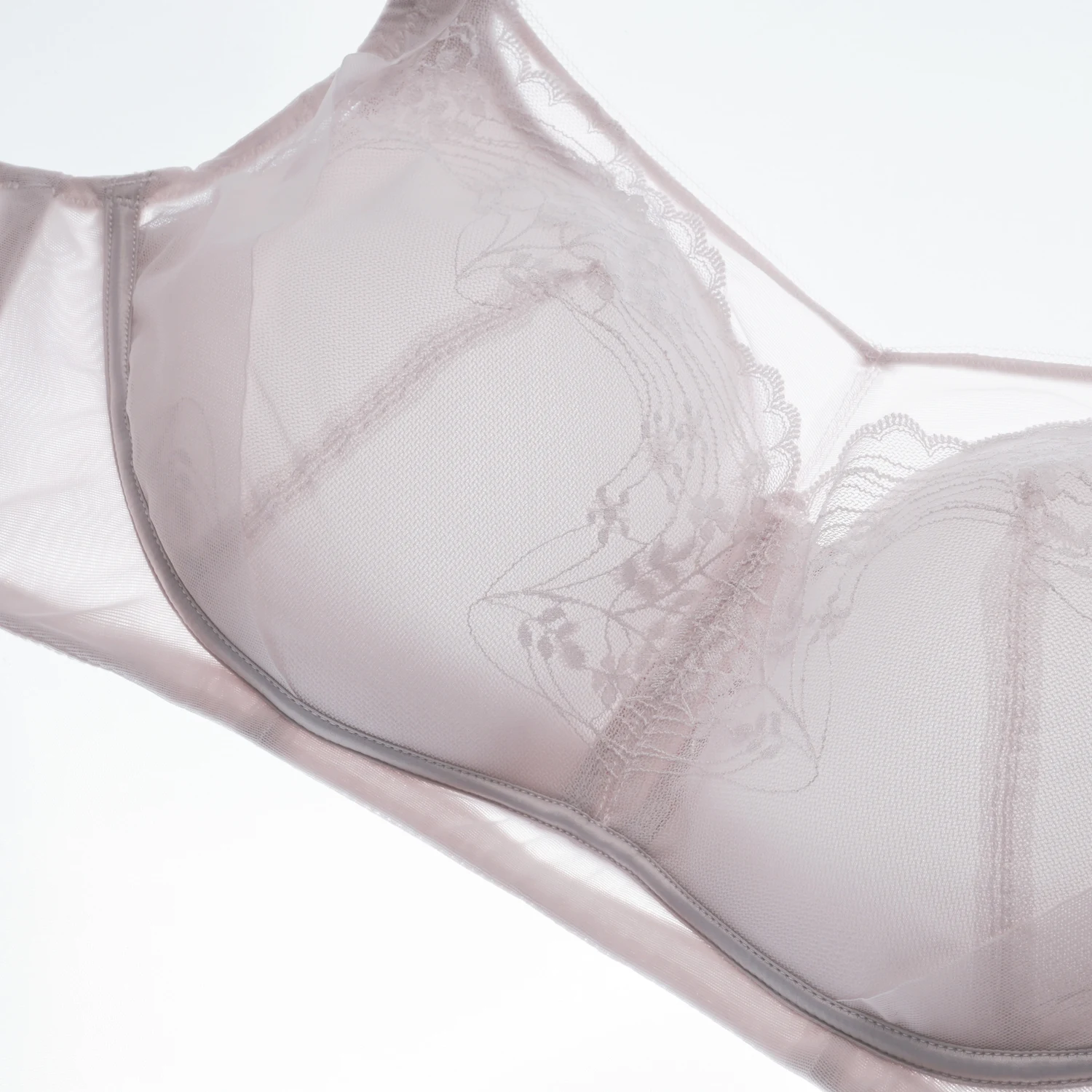
Finishing techniques are crucial for ensuring the seamless integration of cup profiles into the garment structure. Whether utilizing bonding or seamless knitting, the construction must be evaluated for its ability to accommodate diverse body types. Clean lines and considered finishing not only enhance the aesthetic appeal but also contribute to the functional integrity of the wire-free design. Techniques such as strategic seaming can direct fabric tension to areas requiring more support, while bonded edges prevent fraying and maintain a smooth silhouette. By reviewing these methods carefully, brands can ensure that their intimate apparel collection is coherent, durable, and comfortable for the end consumer.
Conclusion: Precision in Global Sourcing
Ultimately, defining wireless fit briefs for global markets requires a strategic approach that balances comfort with performance. By analyzing regional variations, establishing clear development templates, evaluating material combinations, and reviewing finishing techniques, procurement teams can create products that resonate with international audiences. Leveraging the expertise of partners like JEMIS Intimates allows brands to translate complex fit requirements into thoughtfully made intimate apparel. This proactive approach not only reduces sample iterations but also ensures consistent quality across all orders, securing a competitive edge in the global lingerie market.