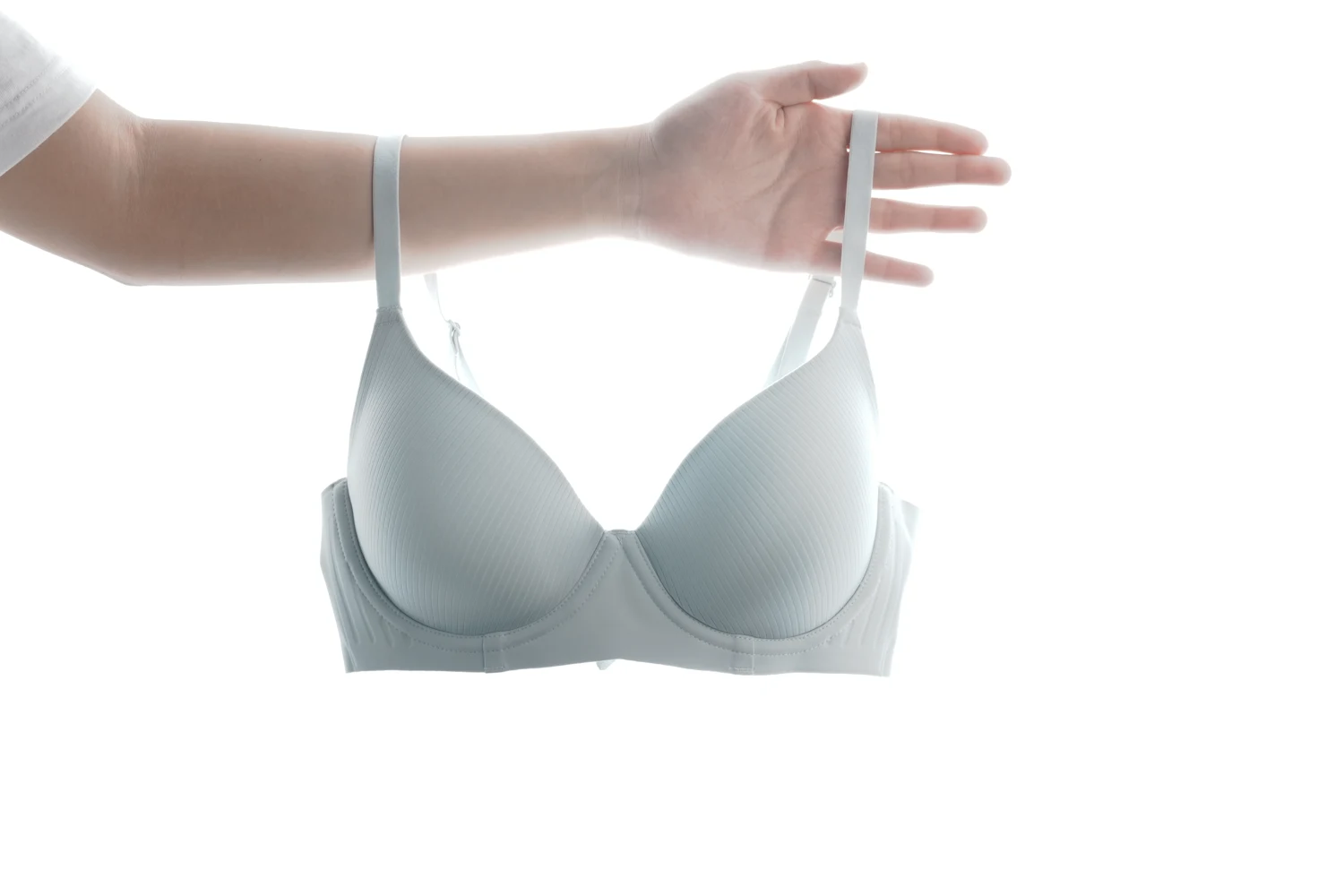
sourcing
Bridging Lace Terminology for Global Intimate Apparel Specification
Procurement professionals face significant risks when translating lace terms like 'renda' or 'encaje'. This guide aligns French standards with regional expectations to prevent costly sample revisions in wireless and seamless collections.
Introduction: The Complexity of Global Lace Supply Chains
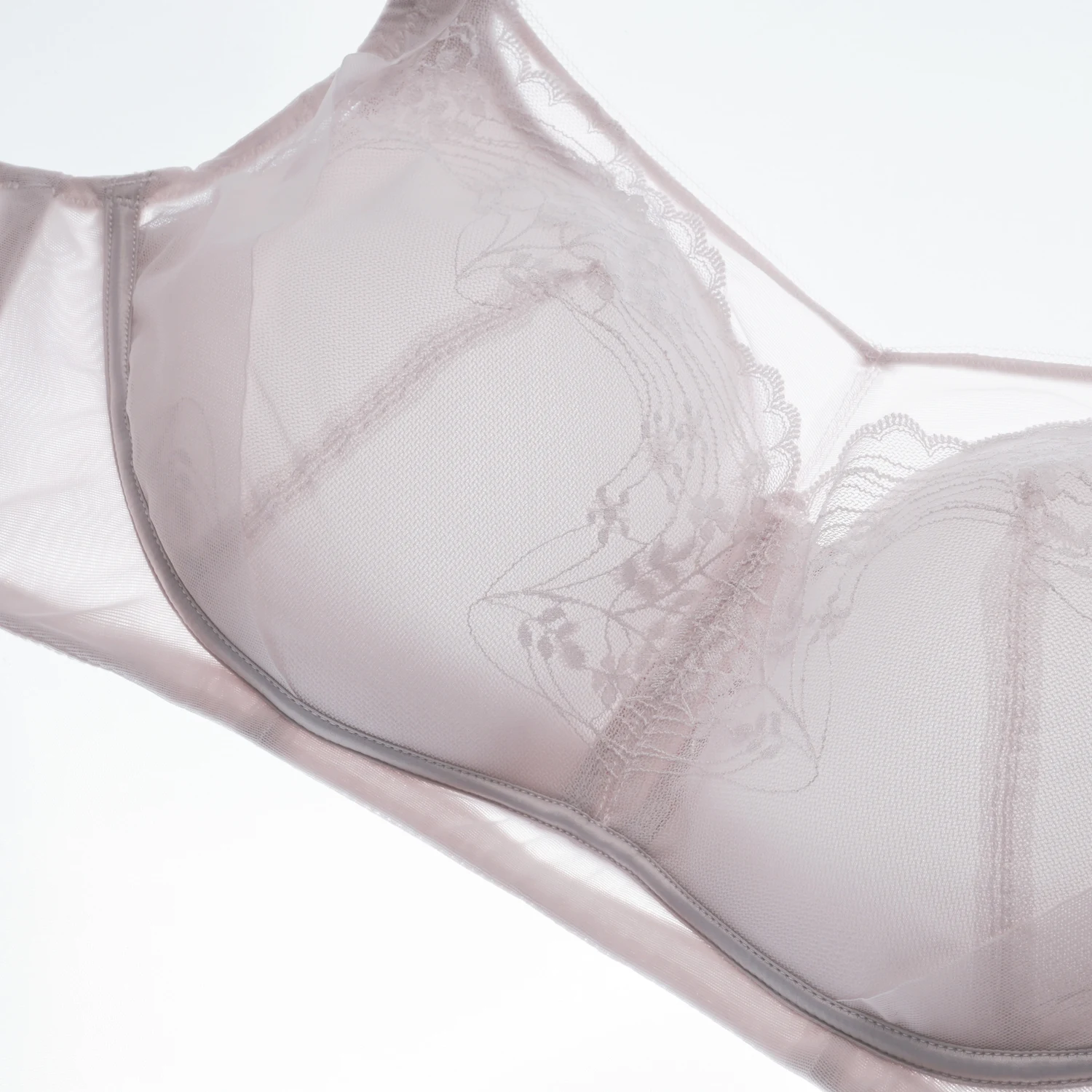
In the global intimate apparel industry, lace is not merely a decorative trim; it defines the texture, drape, and structural integrity of garments like wireless bras and seamless bodysuits. However, supply chains face significant risks due to linguistic ambiguity. Terms such as 'renda' (Portuguese), 'encaje' (Spanish), 'кружево' (Russian), and '蕾丝' (Chinese) all refer to lace, but are frequently mistranslated or confused with unrelated items like 'laço' (bow/ribbon) or 'خرز' (beads). For procurement teams working with JEMIS Intimates, understanding these distinctions is the first step in ensuring that delicate textures are accurately represented in the final product across all international markets.
Defining Precise French Terminology vs. Common Mistranslations
To ensure accurate specification, procurement professionals must anchor their vocabulary in precise French terminology, specifically 'dentelle'. In the context of intimate apparel (lingerie/sous-vêtements), 'dentelle' refers to openwork fabric made by looping, twisting, or knitting threads. It is critical to avoid translating 'lace' as 'laço', which implies a ribbon or bow, or 'خرز', which denotes beads. Similarly, in wireless bra development (soutien-gorge sans armatures), the focus must remain on the openwork fabric structure rather than accessory confusion. Misinterpreting these terms can lead to sourcing incorrect materials that compromise the fit and aesthetic of molded-cup essentials or seamless bonded lines.
Case Study: Preventing Costly Revisions in Wireless Collections
A common scenario involves a brand requesting a 'renda' lace for a wireless comfort collection. If the supplier interprets this as a ribbon or fails to distinguish it from standard 'encaje', the resulting sample will lack the necessary breathability and delicate drape required for wire-free constructions. At JEMIS, we integrate design, sampling, and manufacturing to translate fit and material requirements into thoughtfully made garments. By aligning lace profiles with regional expectations early in the development brief (cahier des charges de développement), brands can prevent costly sample iterations. This alignment ensures that the specific density and pattern of the lace work coherently with the garment construction, whether it is a seamless bond or a structured cup profile.
Actionable Guide: Creating a Unified Glossary
Procurement teams should create a unified glossary that bridges JEMIS capabilities with international brand requirements. This glossary must explicitly define 'dentelle' against common errors like 'laço' or 'خرز'. It should include specific codes for lace density and pattern repeat sizes relevant to seamless and bonded techniques. When communicating with suppliers, use the French standard as the baseline for technical discussions. For instance, specify that a 'soutien-gorge sans armatures' requires a specific type of openwork fabric that allows for movement without support wires, distinct from heavy 'encaje' used in outerwear. This standardized approach reduces ambiguity and ensures that the final intimate apparel meets diverse global market expectations.
Strategic Integration of Lace Trims into Coherent Collections
Integrating detailed lace trims requires a strategic approach that does not compromise garment integrity. In seamless collections, the lace must be compatible with bonding techniques to maintain clean lines and considered finishing. For molded-cup development, the lace overlay must support the cup profile without distorting the shape. JEMIS helps bring lace, trims, and thoughtful detailing into a coherent collection by evaluating construction and material selection for the intended product. Whether exploring wire-free constructions or shape-led development, the choice of lace terminology directly impacts the feasibility of the design brief. Clear communication prevents the use of inappropriate materials that could lead to construction failures or aesthetic mismatches.
Best Practices for Cross-Language Communication
During the development brief phase, best practices dictate using visual references alongside precise terminology. When discussing 'renda' or 'encaje', attach swatches and specify the French equivalent 'dentelle' to avoid confusion with ribbons or beads. Ensure that all team members understand that 'intimate apparel' encompasses a wide range of products from basic underwear to complex lingerie, each requiring specific lace applications. Avoid colloquial translations that might confuse 'soutien-gorge' with simple undergarments lacking structural support. By fostering a culture of precise language use, procurement teams can streamline the process and ensure that every stitch and loop contributes to a high-quality final product.
Conclusion: Precision Leads to Market Success
In conclusion, precise terminology is the cornerstone of efficient global supply chains for intimate apparel. By aligning French 'dentelle' standards with regional terms like 'renda' and 'encaje', procurement professionals can eliminate ambiguity, reduce sample iteration cycles, and ensure that delicate textures are accurately represented. This precision leads to faster time-to-market and higher quality products for diverse global markets. At JEMIS Intimates, founded in 1999 in Foshan, we bring together design, sampling, and manufacturing to deliver exactly what your brief requires, provided the specifications are clear and technically accurate.