sourcing
Global Lace Texture Specification Guide: Aligning Terminology with Market Expectations
Procurement teams often face challenges when sourcing intimate apparel across diverse international markets. Misinterpreting terms like 'dentelle' or 'encaje' can lead to costly production delays and material substitutions. This guide clarifies regional distinctions between lace, trims, and bonding processes, offering a standardized approach to prevent communication errors in Japanese, Portuguese, Arabic, Spanish, and Russian supply chains.
# Defining Precise Lace vs. Trim Distinctions Across Global Markets
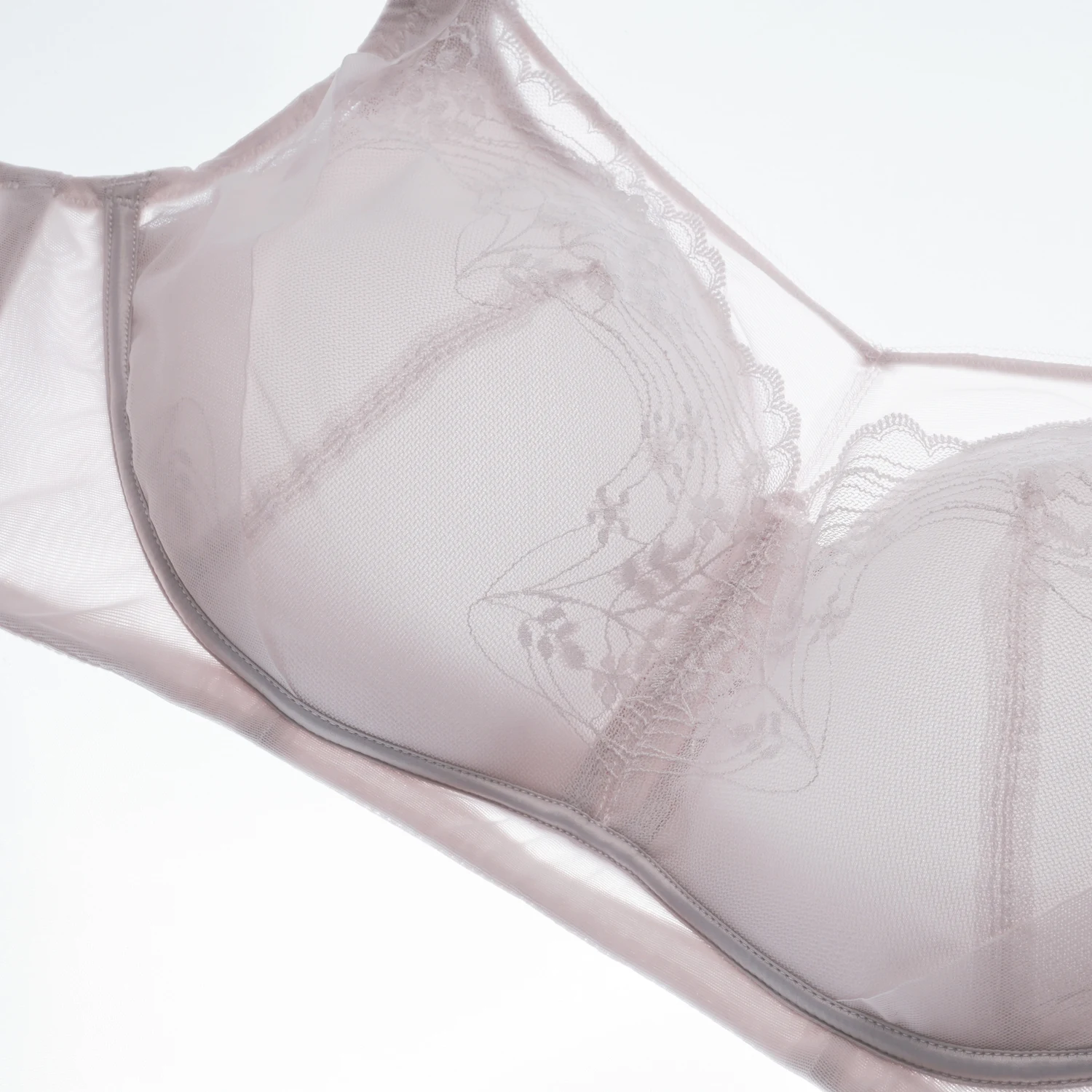
In the intricate world of intimate apparel sourcing, a single misinterpreted term can derail an entire collection launch. For procurement teams managing supply chains in Japan, Portugal, the Arab world, Spain, and Russia, clarity is paramount. In French terminology, 'dentelle' refers strictly to lace fabric or craft. However, regional expectations vary significantly. In Japanese markets (下着/インナーウェア), buyers expect precise texture matching for lingerie (ランジェリー). Similarly, Portuguese suppliers distinguish between renda (lace) and laço (ribbon/bow), while Arabic partners differentiate between دانتيل (lace) and خرز (beads). Confusing lace with ribbons or beads is a critical error that compromises product integrity. Spanish buyers use 'encaje', and Russian counterparts refer to 'кружево'. Establishing these precise definitions at the outset prevents the common mistake of substituting delicate lace structures with cheaper trims.
# Analyzing Regional Interpretations of Intimate Apparel Structures
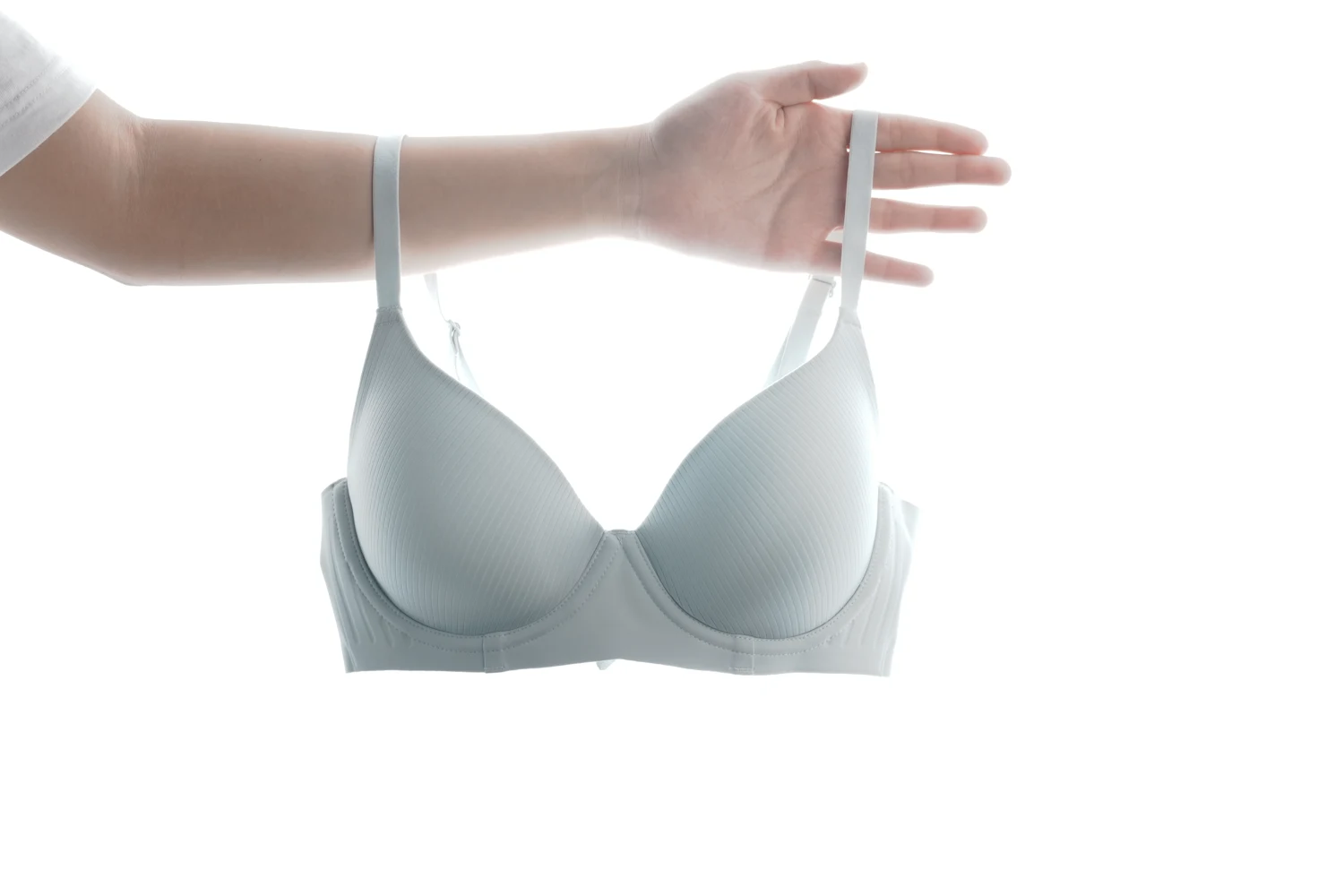
The selection of bonnet structures versus structural support in wireless designs is heavily influenced by regional interpretations of 'intimate apparel'. In some markets, a wireless bra (soutien-gorge sans armatures) implies maximum comfort and minimal structure. In others, the expectation leans towards structural support even without wires. Procurement teams must understand that 'cup' refers to the bonnet shape, not just size. When developing wire-free constructions with carefully developed cup shapes, as seen in our wireless comfort line, buyers must specify whether they prioritize soft molding or structural lift. Misaligning these expectations leads to garments that fail fit tests in specific regions. For instance, a seamless design intended for one market might be rejected in another if the 'seamless' (sans couture) technique does not meet local standards for support.
# Establishing a Standardized Development Brief
To mitigate risks, JEMIS Intimates recommends establishing a standardized development brief (cahier des charges de développement) that maps specific lace patterns to construction techniques. This document must explicitly separate bonding processes from seam-based assembly. Bonding creates clean lines and considered finishing, ideal for seamless collections, whereas seam-based assembly offers durability and distinct texture. Our molded-cup essentials line demonstrates how shape-led development supports various material combinations. A clear brief ensures that the procurement team communicates exactly whether they need a bonded finish or traditional seaming. This precision is vital when integrating expressive textures with precise garment construction to bring lace and trims into a coherent collection.
# Reviewing Case Studies on Terminology Errors
History provides clear lessons on the cost of vague communication. There are documented instances where incorrect terminology led to significant production delays, often because a supplier delivered ribbons instead of lace or beads instead of embroidery. Emphasizing the need for accurate technical drawings before sampling is non-negotiable. Visual reference guides must accompany verbal instructions to ensure that 'lace' is never confused with other embellishments. By clarifying terms early, buyers can reduce sample revision cycles and prevent costly material substitutions.
# Maintaining Brand Integrity in Diverse Markets
When launching intimate apparel lines in diverse international markets, maintaining brand integrity requires a unified understanding of technical specifications. Whether working with Portuguese partners on lingerie or Russian teams on sous-vêtements, the core requirement remains consistent: accuracy. JEMIS Intimates, founded in 1999 in Foshan, brings together design, sampling, and manufacturing to translate fit and material requirements into thoughtfully made garments. We help brand teams navigate these complexities by ensuring that every lace pattern matches the intended construction technique.
# Conclusion: The Value of Precision in Sourcing
In conclusion, equipping procurement teams with a multilingual glossary and visual reference guide is the most effective strategy for success. By clarifying terms like 'dentelle' and 'encaje', buyers can streamline their operations. This article serves as a practical tool to ensure that 'lace' is never confused with ribbons or beads, ultimately saving time and money while delivering high-quality intimate apparel that meets global standards.