sourcing
Seamless Fabric Selection Guide: Aligning Bonding Techniques with Regional Fit Expectations
Procurement teams must navigate the complexities of seamless construction to meet diverse global market demands. This guide outlines critical fabric density, stretch recovery, and bonding strategies for modern intimate apparel collections.

Introduction to Seamless Construction and Its Benefits for Modern Intimate Apparel Collections
In the evolving landscape of intimate apparel, seamless construction has become a cornerstone for brands prioritizing comfort and aesthetic finish. For procurement teams at JEMIS Intimates, understanding the nuances of this technology is vital. Founded in 1999 in Foshan, China, our facility integrates design, sampling, molded-cup development, and garment manufacturing to translate fit requirements into thoughtfully made products. Seamless techniques offer clean lines that eliminate visible panty lines (VPL) while providing a second-skin feel. However, achieving this requires precise material selection. Unlike traditional knitting which relies on stitch loops, seamless construction often utilizes bonding or specialized knitting processes where fabric density and stretch recovery are paramount. Procurement must specify properties that ensure the final product meets diverse global market expectations without costly sample revisions.
Analyzing Fabric Density and Stretch Recovery Requirements for Bonded Versus Knitted Seamless Techniques
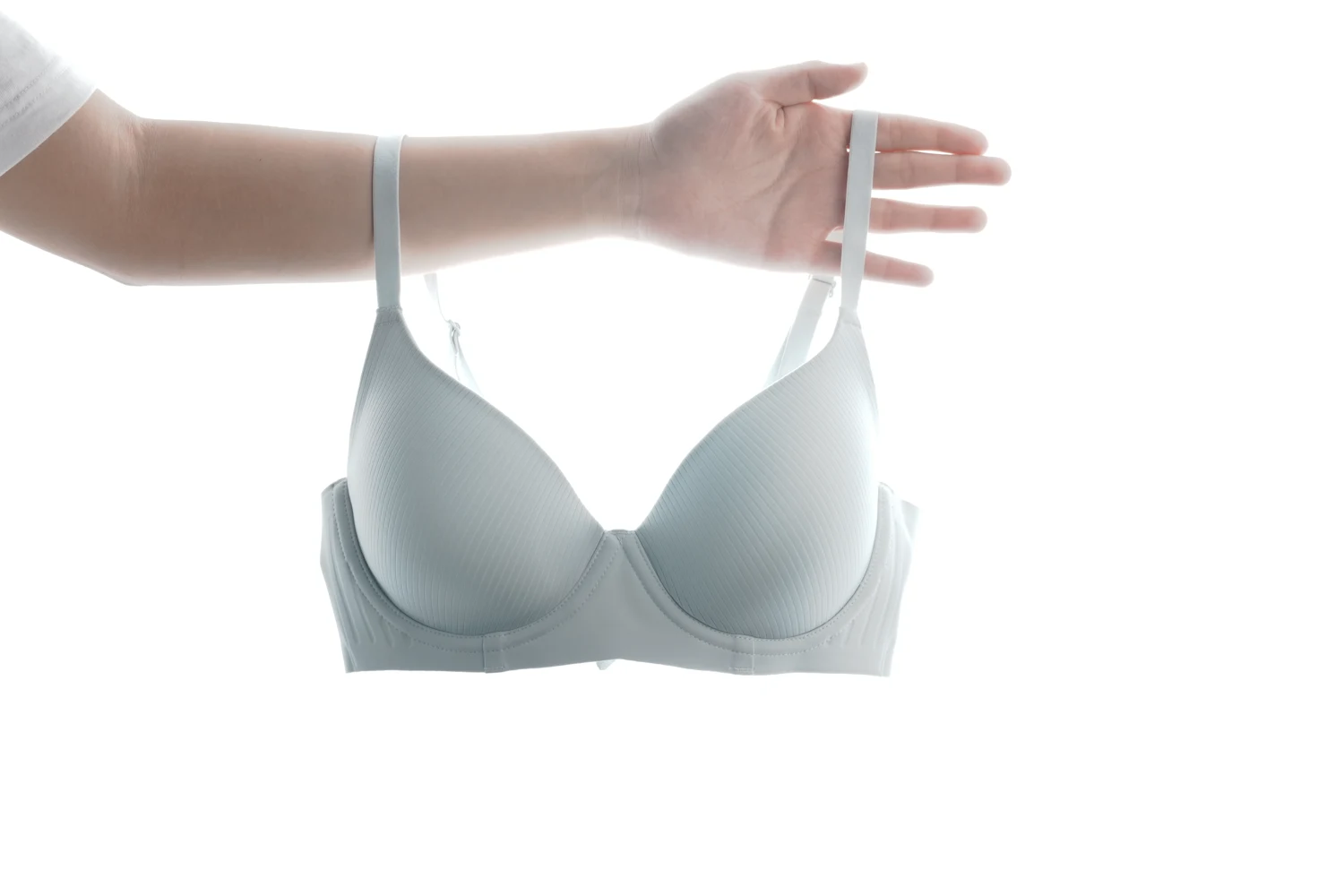
When evaluating seamless options, the distinction between bonded and knitted techniques is critical. Bonding involves fusing fabric layers to create a smooth surface, ideal for minimizing VPL in everyday wear. However, this process demands high tensile strength and specific stretch recovery rates to prevent sagging over time. Knitted seamless methods offer natural elasticity but require careful density control to maintain opacity and shape. At JEMIS, our development team assesses these construction and material selection factors against your intended product brief. For instance, a minimal seamless-look bra requires an olive tone with fine surface texture that guides the eye while maintaining structural integrity. Procurement should request test data on recovery percentages after repeated stretching cycles to ensure longevity.
Comparing Regional Fit Expectations Regarding Cup Profile Definition in Wire-Free Seamless Designs
Regional fit expectations vary significantly, particularly regarding cup profile definition in wire-free seamless designs. In markets preferring a natural silhouette, the cup must define shape without rigid structures. Conversely, regions demanding higher support may require specific molding capabilities. JEMIS offers both wireless comfort and molded-cup essentials to address these needs. Our in-house molded-cup capabilities allow us to explore cup profiles and materials tailored to local preferences. For example, a full-cup leaf-pattern bra provides a direction for fuller-bust development through fitting-defined size ranges. Procurement must communicate these regional nuances early in the development brief to avoid mismatches between design intent and consumer expectation.
Strategies for Minimizing Visible Panty Lines (VPL) While Maintaining Structural Integrity in Everyday Wear
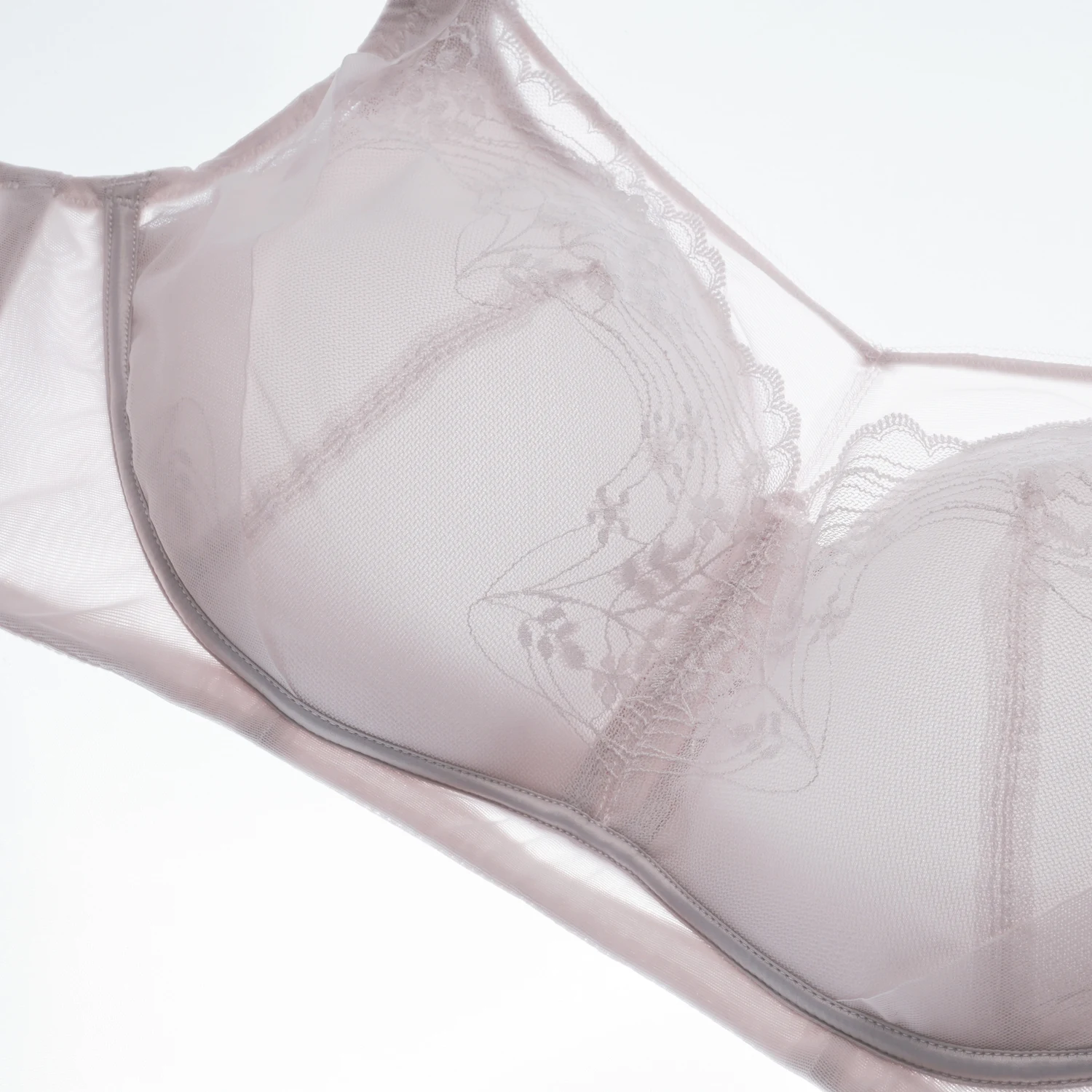
Minimizing VPL is a primary driver for seamless adoption, yet it must not compromise structural integrity. Strategies include selecting fabrics with appropriate denier and opacity levels that resist sheerness under tight clothing. Bonding techniques can create smooth edges that lay flat against the skin, but they must be engineered to withstand daily movement. JEMIS helps bring lace, trims, and thoughtful detailing into a coherent collection where these elements do not disrupt the seamless aesthetic. When developing a summer lingerie edit or a colour-block sports bra, materials are confirmed during sample development to ensure visibility under clothing is assessed correctly. Always verify that the chosen fabric maintains its shape after washing and wearing.
The Role of Material Sizing and Colour Confirmation in Sample Development
Materials, sizing, colours, and order terms are confirmed during sample development to ensure consistency across production runs. A smooth mint-tone bra or a geometric lace longline bra demonstrates how specific material choices define the collection's character. Procurement teams should review these specifications closely before approving bulk orders. Our approach ensures that every intimate apparel piece, from the minimal wire-free concept to the graphic print designs, aligns with your brand story. By focusing on precise material properties, you avoid costly revisions and ensure the final product delivers the comfort and silhouette required by modern consumers.
Conclusion: Aligning Technical Specifications with Brand Vision
Successful procurement of seamless intimate apparel requires a deep understanding of bonding techniques, fabric density, and regional fit expectations. JEMIS Intimates stands ready to support your brand by translating these technical requirements into high-quality garments. Whether you are launching a new summer collection or refining an existing line, our team provides the expertise needed to navigate complex material challenges. By adhering to rigorous selection criteria, you ensure that every piece of underwear meets global standards for comfort and aesthetics without compromising on support.