sourcing
Seamless Construction Specification Guide: Aligning Bonding Techniques with Regional Fit Expectations
Procurement teams need precise technical vocabulary to specify seamless and bonded garments accurately. This guide clarifies knitting versus bonding, addresses regional terminology differences, and establishes quality control checkpoints to prevent costly production errors in intimate apparel.

Introduction to Seamless and Bonded Construction Techniques
In modern intimate apparel development, distinguishing between seamless knitting and bonding processes is critical for procurement teams. While both methods aim for a smooth aesthetic, they differ fundamentally in structure. Seamless knitting creates the garment from a single continuous piece of fabric, minimizing stress points. Bonding, or heat-sealing, joins cut-and-sewn pieces to create clean lines without traditional stitching. Understanding these technical parameters ensures that the final silhouette matches the brand's design brief.
Defining Technical Parameters: Knitting vs. Bonding
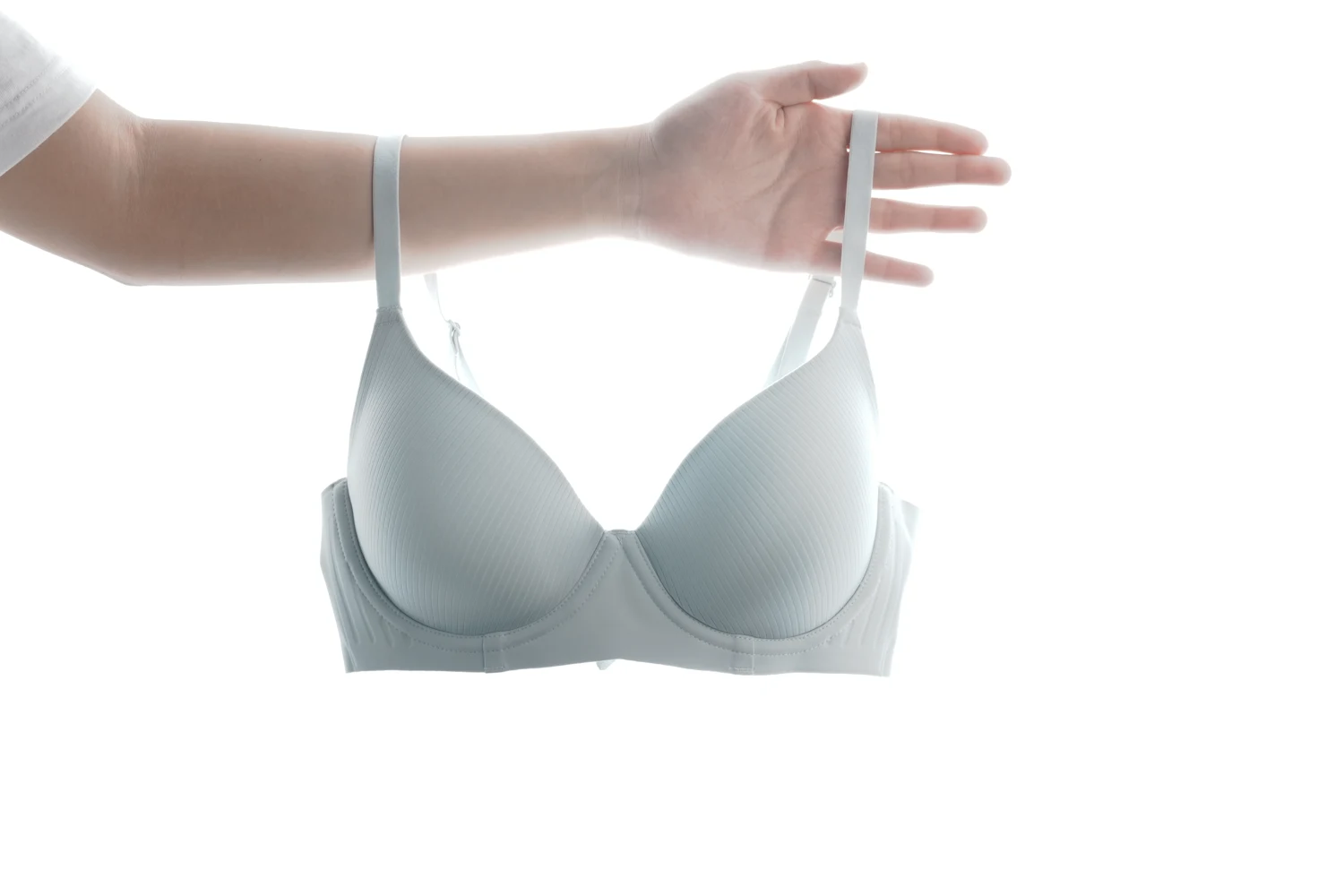
For specific garment silhouettes, the choice between knitting and bonding dictates the fit. Seamless knitting is ideal for full-coverage styles requiring high elasticity and recovery, such as our minimal seamless-look bra concepts. Bonding is often preferred for structured pieces where a specific drape is needed under clothing. Procurement must specify whether the 'seamless' requirement implies a knit-only construction or if bonded edges are acceptable to achieve the desired visual finish.
Material Selection Criteria for Seamless Production
Successful seamless production relies heavily on fiber content and elasticity. Microfiber blends are standard for achieving the smooth, invisible look required under tight-fitting outerwear. The material must possess sufficient stretch to accommodate body movement without distorting the cup shape. When evaluating materials, buyers should request test samples to assess how the fabric behaves during the knitting or bonding process, ensuring that the final product maintains its integrity.
Regional Terminology: Avoiding 'Sans Couture' Misunderstandings
Terminology varies significantly across global markets. In French, seamless is 'sans couture'. However, in Portuguese, it is 'renda' (referring to lace) or specific knit terms, while Arabic uses 'ملابس داخلية' for underwear generally but requires specific technical descriptions for construction. Japanese markets use 'インナーウェア' for intimate apparel. Crucially, buyers must avoid confusing 'seamless' with 'wire-free'. A wire-free bra (soutien-gorge sans armatures) may still have seams; true seamless construction eliminates these entirely. Clear communication prevents the misinterpretation of 'seamless' as merely lacking wires.
Impact on Cup Visibility and Garment Drape
The construction method directly influences cup visibility under clothing. Bonded edges can sometimes show through thin fabrics if the adhesive layer is too thick or uneven, whereas seamless knitting offers a flatter profile. Procurement teams must evaluate samples specifically for how the garment drapes over different body types and under various outer layers. This assessment ensures that the aesthetic goal of invisibility is met without compromising comfort or support.
Establishing a Standardized Development Brief
To bridge technical constraints with brand aesthetic goals, a standardized development brief is essential. This document should explicitly state the construction method required—whether seamless knitting or bonded assembly—and define the acceptable tolerance for edge visibility. It must also clarify material specifications, including fiber content and elasticity requirements. By standardizing this brief, brands can ensure that suppliers like JEMIS Intimates translate fit and construction requirements accurately into thoughtfully made intimate apparel.
Quality Control Checkpoints for Bonded Edges
Implementing rigorous quality control checkpoints is vital, particularly for bonded edges and seamless knitting tension consistency. Inspectors must check for any signs of adhesive bleed-through, uneven bonding lines, or tension inconsistencies that could lead to distortion over time. For seamless knitting, the focus is on loop integrity and edge stability. These checks prevent costly returns due to fit issues or aesthetic defects.
Strategic Sourcing Advice for Clear Communication
Strategic sourcing requires clear communication of construction requirements to avoid ambiguity. Procurement teams should explicitly define 'seamless' in their specifications, distinguishing it from 'wire-free'. They must provide visual references and technical drawings that illustrate the desired edge finish. By clarifying these distinctions early in the sampling phase, brands can prevent production errors, ensure consistent fit across different regions, and effectively communicate their specific aesthetic requirements without misunderstanding.