sourcing
Seamless Bra Specs for Global Fit and Support: Aligning Bonding Techniques with Regional Expectations
Procurement teams need a practical framework to evaluate seamless construction quality. This guide analyzes bonding techniques versus knitting methods, addresses regional fit expectations, and offers strategic advice on defining sizing ranges during sample development to reduce returns.

Introduction to Seamless Construction Challenges Across Different Body Types
Seamless construction presents unique challenges when addressing diverse body types globally. Unlike traditional knitting methods that offer inherent stretch through loop structures, seamless bonding relies heavily on the elasticity of specific material blends and the precision of adhesive application. For procurement teams, understanding that a 'seamless' look does not automatically equate to universal fit is crucial. Regional variations in bust-to-ribcage ratios mean that a bonding technique optimized for one market may result in poor support or visible lines in another. Early identification of these discrepancies during the sample phase prevents costly post-production issues.
Analyzing Bonding Techniques Versus Knitting Methods for Specific Regional Fit Needs
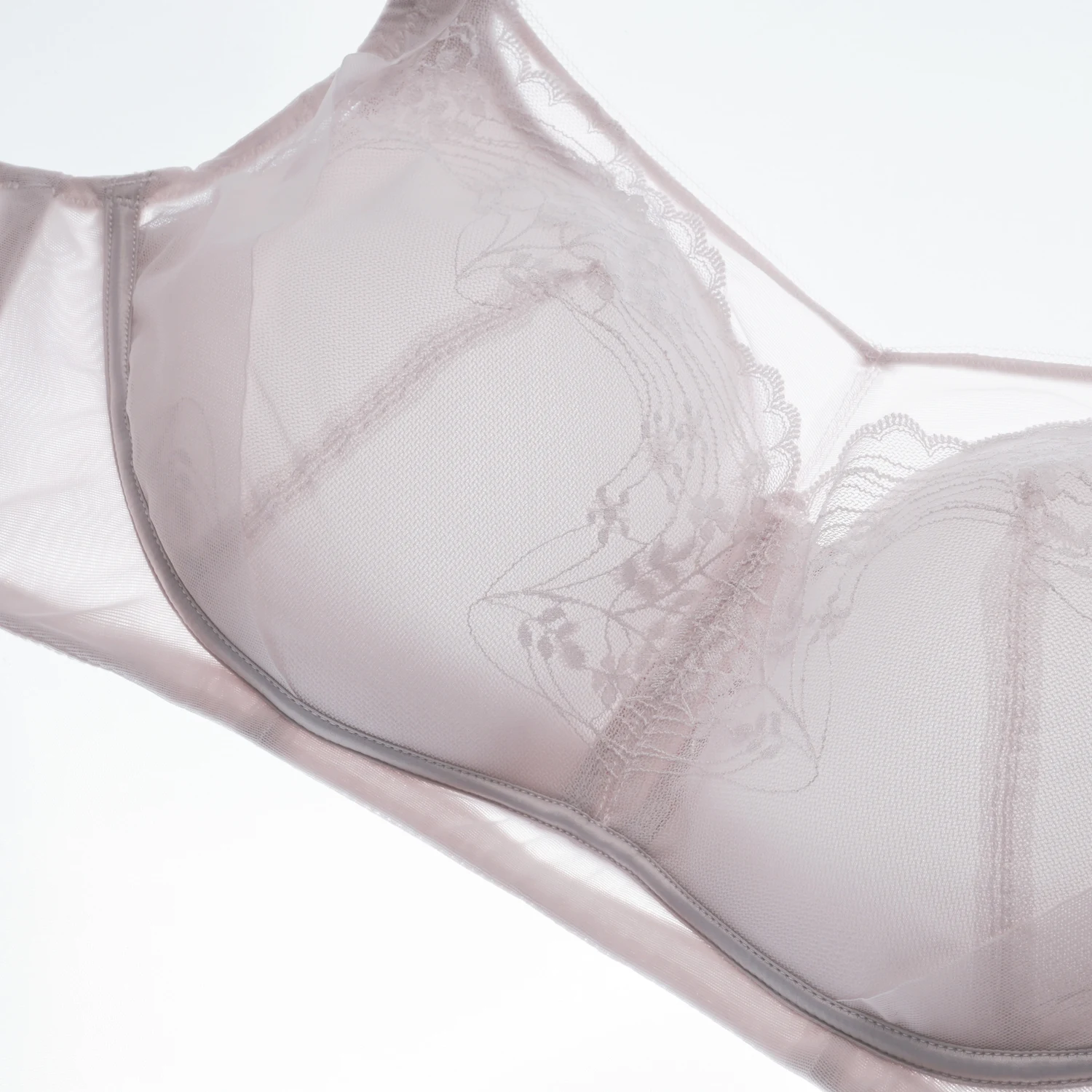
When evaluating seamless & bonded products, buyers must distinguish between the mechanical properties of bonding versus knitting. Knitted fabrics offer natural give, whereas bonded layers depend on the integrity of the adhesive bond and the thermal stability of the material. In regions with higher humidity or specific climate conditions, the performance of these bonds can vary. Procurement professionals should request detailed technical sheets that specify the type of bonding agent used and its resistance to sweat and friction. Relying solely on visual inspection is insufficient; functional testing under regional environmental conditions is necessary to ensure the intimate apparel maintains its shape and support.
Case Study on Olive Tone Minimal Seamless Concepts and Visibility Under Clothing
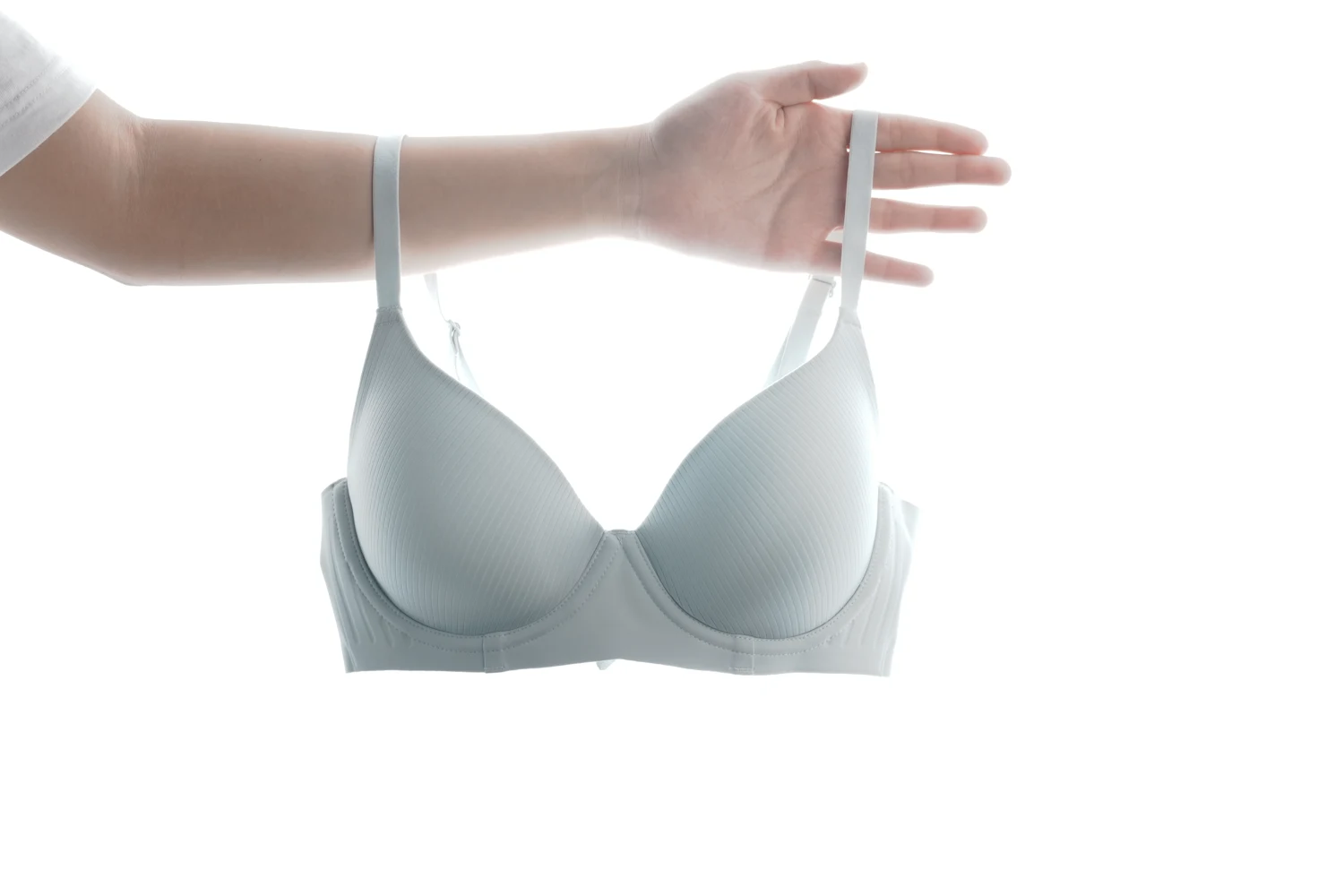
Consider the 'Minimal seamless-look bra' concept, specifically in olive tones. While the color offers a neutral palette, the fine surface texture and clean neckline require rigorous assessment for visibility under clothing. Darker or saturated shades like olive can sometimes show through lighter outer garments if the bonding creates slight surface irregularities or if the fabric lacks sufficient opacity. Buyers must confirm that the material selection ensures no 'show-through' issues during sample development. This is particularly relevant for international markets where layering styles differ, requiring higher opacity standards for seamless designs to maintain a polished aesthetic.
Strategic Advice for Buyers on Defining Sizing Ranges During Sample Development
Defining sizing ranges is a critical step that often gets overlooked until mass production. For seamless constructions, the size range cannot be simply extrapolated from knitted counterparts due to differences in stretch recovery and bonding tension. Procurement teams should insist on fitting sessions using diverse body types before approving the final sample. This ensures that the development brief accurately reflects the intended fit for the target demographic. Confirming materials, sizing, colours, and order terms during this initial phase is essential. By aligning technical specifications with regional expectations early, brands can significantly reduce return rates caused by poor support or unexpected visibility issues.
The Importance of Material Confirmation in Early Phases
Material confirmation must happen before the bonding process begins. Different fiber blends react differently to heat and pressure during seamless manufacturing. If a buyer selects a material without verifying its compatibility with the specific bonding technique, the final product may suffer from delamination or loss of elasticity. JEMIS Intimates brings design, sampling, molded-cup development and garment manufacturing together, allowing for a holistic approach where material selection is evaluated alongside construction methods. This integrated capability ensures that the seamless-look concept meets diverse market standards for intimate apparel without compromising on quality.
Conclusion: Building a Robust Procurement Framework
In summary, successful procurement of seamless lingerie requires moving beyond visual checks to a deep understanding of construction mechanics. By analyzing bonding techniques against regional fit needs and rigorously testing visibility in concepts like the olive tone minimal seamless bra, buyers can build a robust framework for quality assurance. This proactive approach ensures that the final product not only looks seamless but also provides the necessary support and comfort expected by global consumers. Aligning these technical nuances with clear development briefs is the key to sustainable growth in the intimate apparel industry.