sourcing
Seamless Bonded Specs for Global Fit and Support: Aligning Techniques with Regional Expectations
Procurement teams can optimize seamless bonding specifications by analyzing olive tone visibility, comparing regional fit expectations, and defining clear development briefs. This guide ensures clean aesthetics meet diverse body types without costly revisions.

# Seamless Bonded Specs for Global Fit and Support: Aligning Techniques with Regional Expectations
In the evolving landscape of intimate apparel, seamless bonded constructions offer a distinct advantage by providing clean lines that transition effortlessly from lingerie to outerwear. However, specifying these techniques requires a nuanced understanding of how material properties interact with regional market expectations. For procurement teams working with JEMIS Intimates, aligning construction details early in the sample phase is critical to avoiding costly revisions and ensuring that olive-toned collections resonate across diverse international markets.
# The Impact of Olive Tones and Surface Textures on Visibility
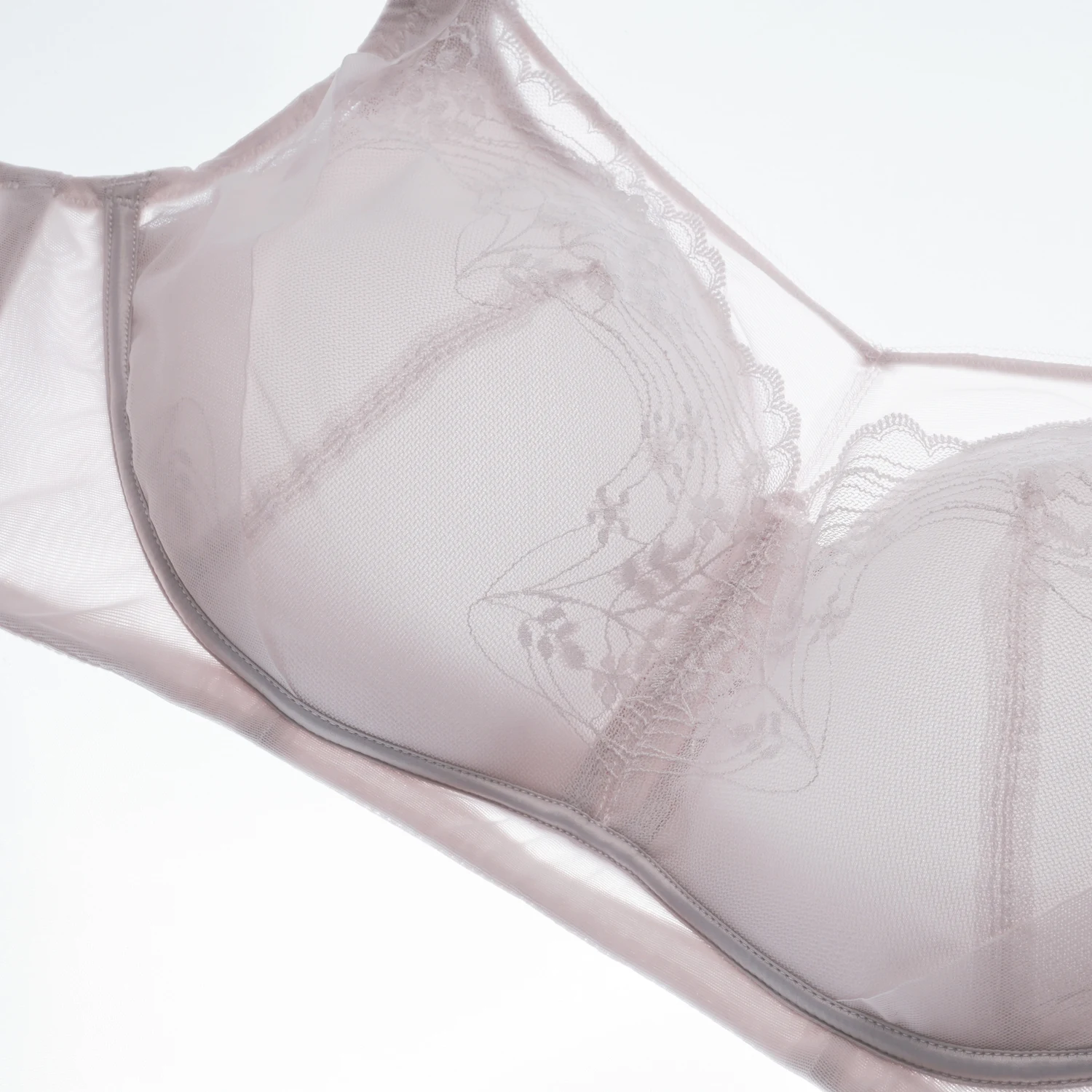
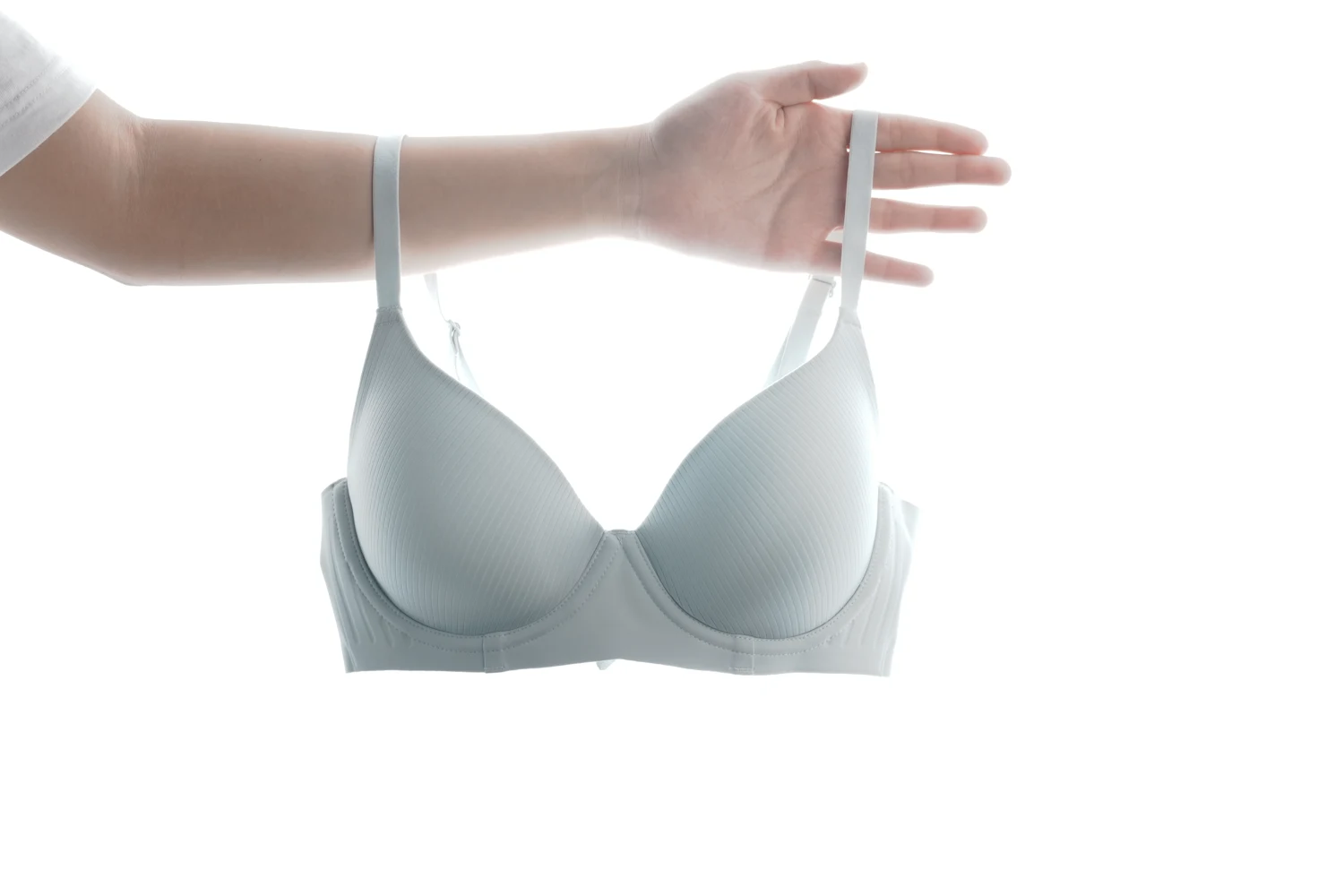
When developing seamless concepts, particularly those featuring an olive tone with a fine surface texture as seen in our minimal seamless-look bra, visibility under clothing is a primary concern. Different regional markets have varying expectations regarding opacity and sheen. In some markets, a subtle sheen on fine textures is desirable for a premium feel, while others prioritize absolute invisibility under light-colored garments. Procurement must ensure that sample development includes rigorous assessment of these specific visual characteristics under various lighting conditions to confirm they meet the intended aesthetic without compromising the clean neckline requirements.
# Comparing Bonding Techniques Against Regional Fit Expectations
Bonding techniques must be evaluated against diverse body types found in global markets. A construction that offers a perfect fit for one region may lack the necessary support or comfort for another. JEMIS Intimates, founded in 1999 in Foshan, brings together design and manufacturing to translate these specific fit requirements into thoughtfully made intimate apparel. When comparing bonding methods, procurement teams should verify that the seamless construction supports the intended silhouette without relying on rigid structures that might alienate customers seeking wireless comfort or molded-cup essentials.
# Defining a Development Brief for Clean Neckline Integration
A precise development brief is essential for mapping clean neckline requirements to specific garment integration needs. This document should clearly outline the desired finish, the acceptable range of seam visibility, and the specific bonding parameters required to achieve a smooth cup profile. By defining these criteria early, brands can ensure that their lingerie-to-outerwear styling directions are coherent. The brief acts as a roadmap for the development team, ensuring that materials, sizing, and colours are confirmed during sample development in alignment with order terms.
# Evaluating Material Selection Criteria for Seamless Concepts
Material selection is the cornerstone of successful seamless bonding. Procurement must evaluate criteria such as fabric recovery, stretch direction, and the compatibility of bonding adhesives with specific fibre blends. For collections featuring smooth mint-tone or neutral palettes, the material must maintain its integrity through repeated wear and washing. Ensuring that order terms align with sample development timelines is vital; rushing the material selection process can lead to inconsistencies in the final bonded product. JEMIS Intimates works closely with brand teams to confirm these details, ensuring that the final product meets both aesthetic and functional standards.
# Conclusion: Strategic Alignment for Global Success
By aligning construction details early in the sample phase, brands can navigate the complexities of global fit expectations with confidence. This guide helps procurement teams specify seamless bonding techniques that satisfy diverse needs without compromising on the clean aesthetic of olive-toned collections. Whether utilizing wireless comfort constructions or exploring wire-free designs, the focus remains on thoughtful finishing and precise integration. With JEMIS Intimates as a partner, brands can ensure their intimate apparel collections resonate with international buyers, delivering high-quality products that meet rigorous standards for fit, support, and style.