sourcing
Aligning Floral Lace Specs for Global Fit and Support: A Development Brief Strategy
Procurement teams need a precise framework to specify lace integration in full-cup bras. This guide distinguishes decorative trim from structural bonnet components, ensuring reliable fit and support across diverse markets without compromising aesthetic finish.

Introduction to the challenges of translating floral lace aesthetics into functional support structures across different body types.
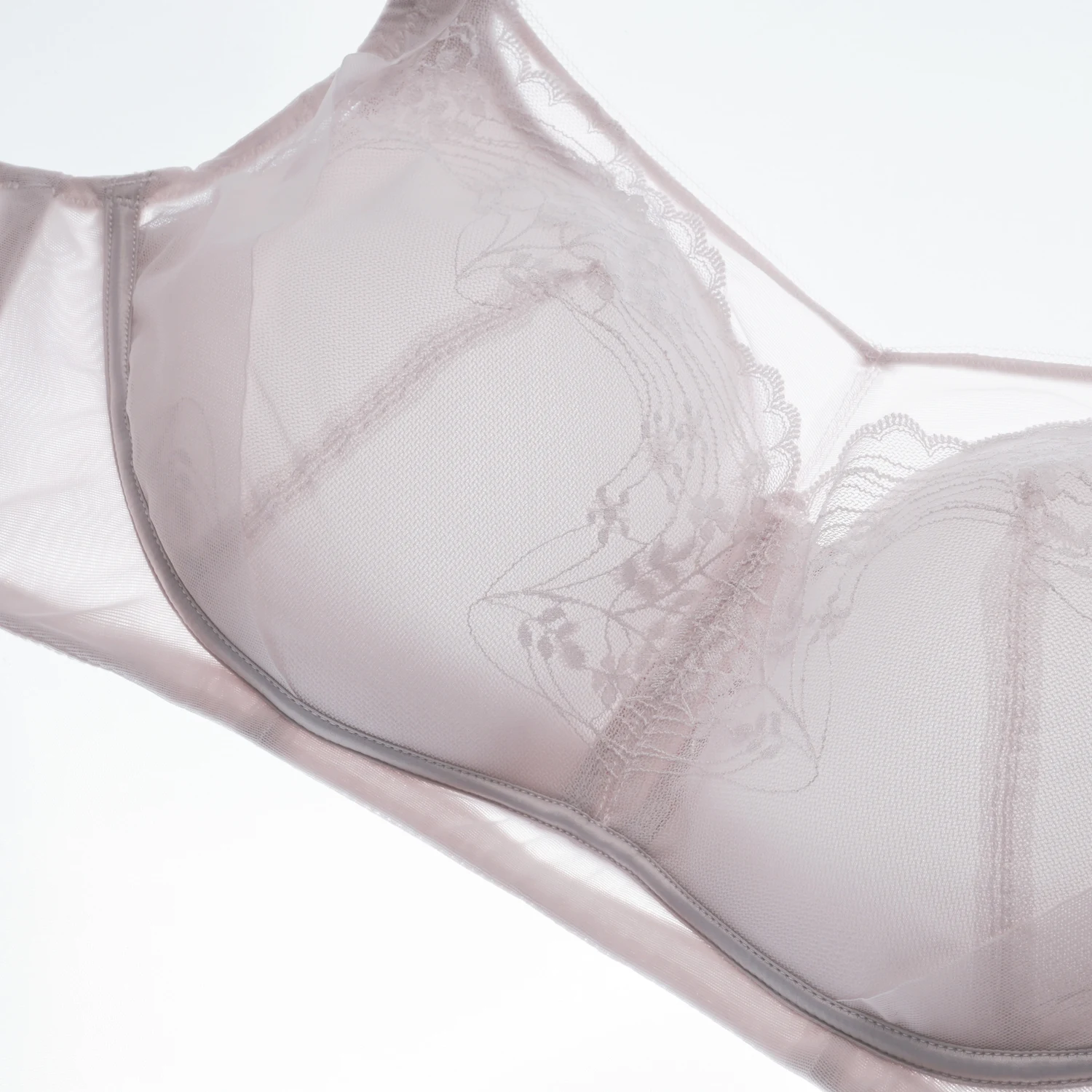
Translating the delicate aesthetic of floral lace into a functional support structure requires more than just visual appeal. For procurement teams sourcing full-cup bras, the primary challenge lies in ensuring that leaf-pattern panels or encaje do not compromise the structural integrity required for diverse body types. In wireless constructions, the bonnet geometry must interact seamlessly with these patterns to provide necessary lift and containment. Misaligning these specifications early can lead to costly re-sampling, where a garment looks beautiful but fails to support the bust effectively across different sizes.
Defining 'lace' versus decorative trims in your development brief
A critical step in the development brief is clearly defining what constitutes 'lace'. In the intimate apparel industry, lace (French: dentelle) refers to a specific openwork fabric, distinct from decorative trims like ribbons or beads. Your brief must specify structural integration rather than surface application. If a brand requests a full-cup silhouette with leaf-pattern panels, the development team needs to know if this lace is intended to be a primary load-bearing component or merely an overlay. Confusing lace with other embellishments can result in garments that lack the necessary tensile strength for daily wear.
Comparing regional fit expectations for full-cup silhouettes
Regional fit expectations vary significantly, particularly regarding how leaf-pattern panels interact with bonnet geometry. In some markets, a fuller cup silhouette is expected to offer high compression and shaping, while others prioritize comfort and natural shape. When working with wireless comfort constructions, the engineering requirements change. The lace must be engineered to distribute pressure evenly without creating pinch points. Procurement teams must ensure that the development brief accounts for these nuances, especially when sourcing from manufacturers who specialize in both seamless bonding and traditional lace crafting.
Case study: Mapping inspection stages from initial sample to finished garment
Mapping inspection stages is essential for maintaining consistent support levels. The process begins with the initial lace sample, where the texture and elasticity are assessed. As the garment moves through sampling, the integration of the lace into the cup profile is scrutinized. For a full-cup leaf-pattern bra, the size range is defined through fitting to ensure the panels do not distort under tension. This stage ensures that the visual texture remains intact while the underlying structure provides the required support for the intended bust volume.
Strategic advice for buyers on creating a development brief
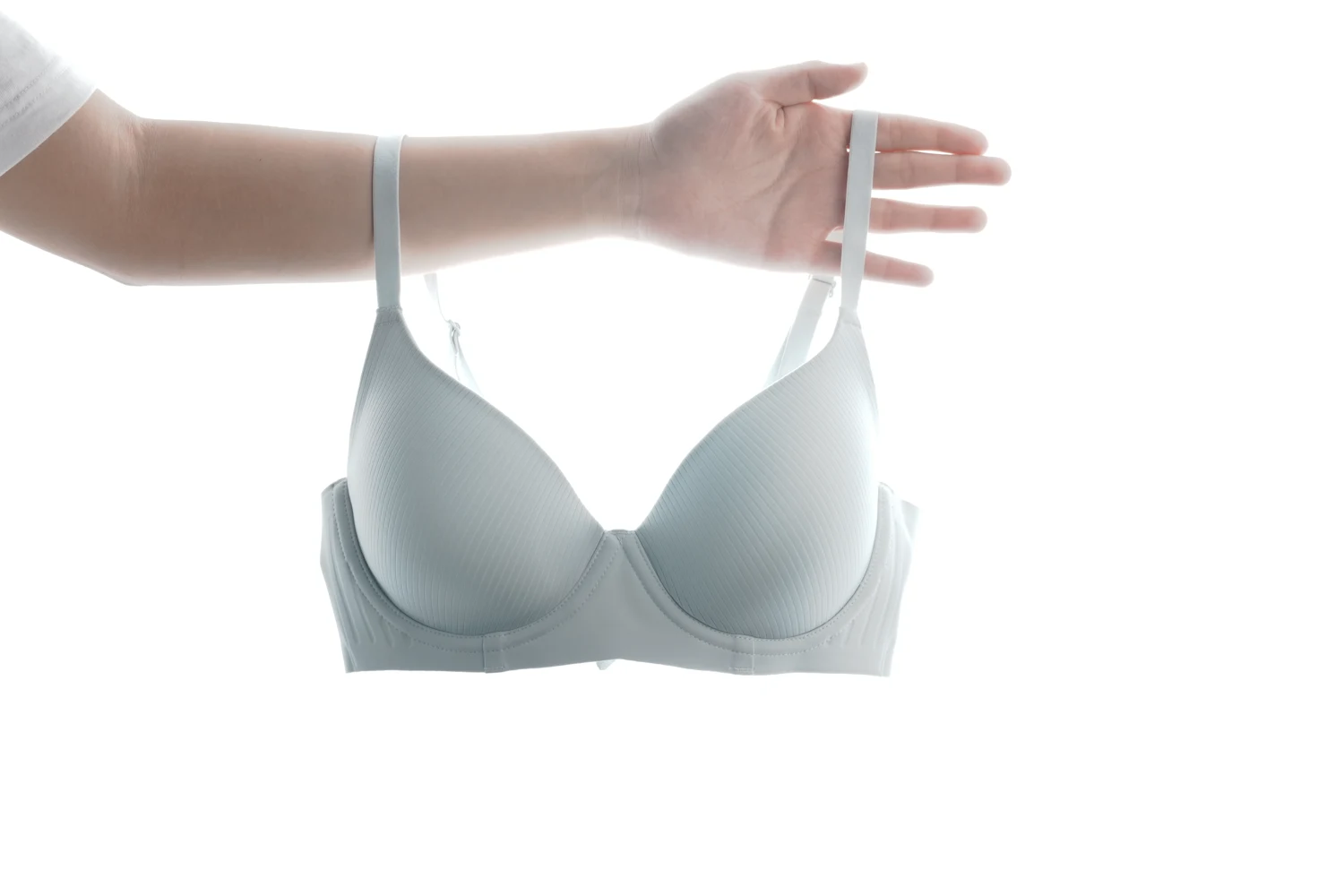
Buyers should create a development brief that balances the delicate nature of lace with engineering requirements. Specify material combinations, size ranges, and finishing details clearly. For instance, if using molded-cup capabilities, define how the lace interacts with the foam or bonded layers. Avoid vague terms; instead, use precise descriptions like 'wire-free construction' or 'seamless bonding techniques'. This clarity prevents misinterpretation regarding support levels and ensures that the final product meets both aesthetic and functional goals for global markets.
Ensuring consistency in texture and support across collections
Consistency is key to building a reliable brand. Whether developing a minimal smooth-cup bra or a full-cup leaf-pattern design, the integration of lace must be coherent. Procurement teams should request samples that demonstrate how the lace behaves under stress. This helps in confirming order terms and sizing before mass production. By distinguishing between decorative trim and structural bonnet components early in the brief, brands can secure reliable fit and support for diverse markets while maintaining the desired aesthetic finish.
Conclusion: Building a robust framework for intimate apparel sourcing
In conclusion, aligning floral lace specs requires a strategic approach that respects both the artistry of the fabric and the science of fit. By following this framework, procurement teams can avoid common pitfalls associated with misaligned terminology or unsupported structural claims. This ensures that every garment, from the initial sample to the finished product, delivers on its promise of comfort and support.