Process
Process study: digital development with a physical sample checkpoint
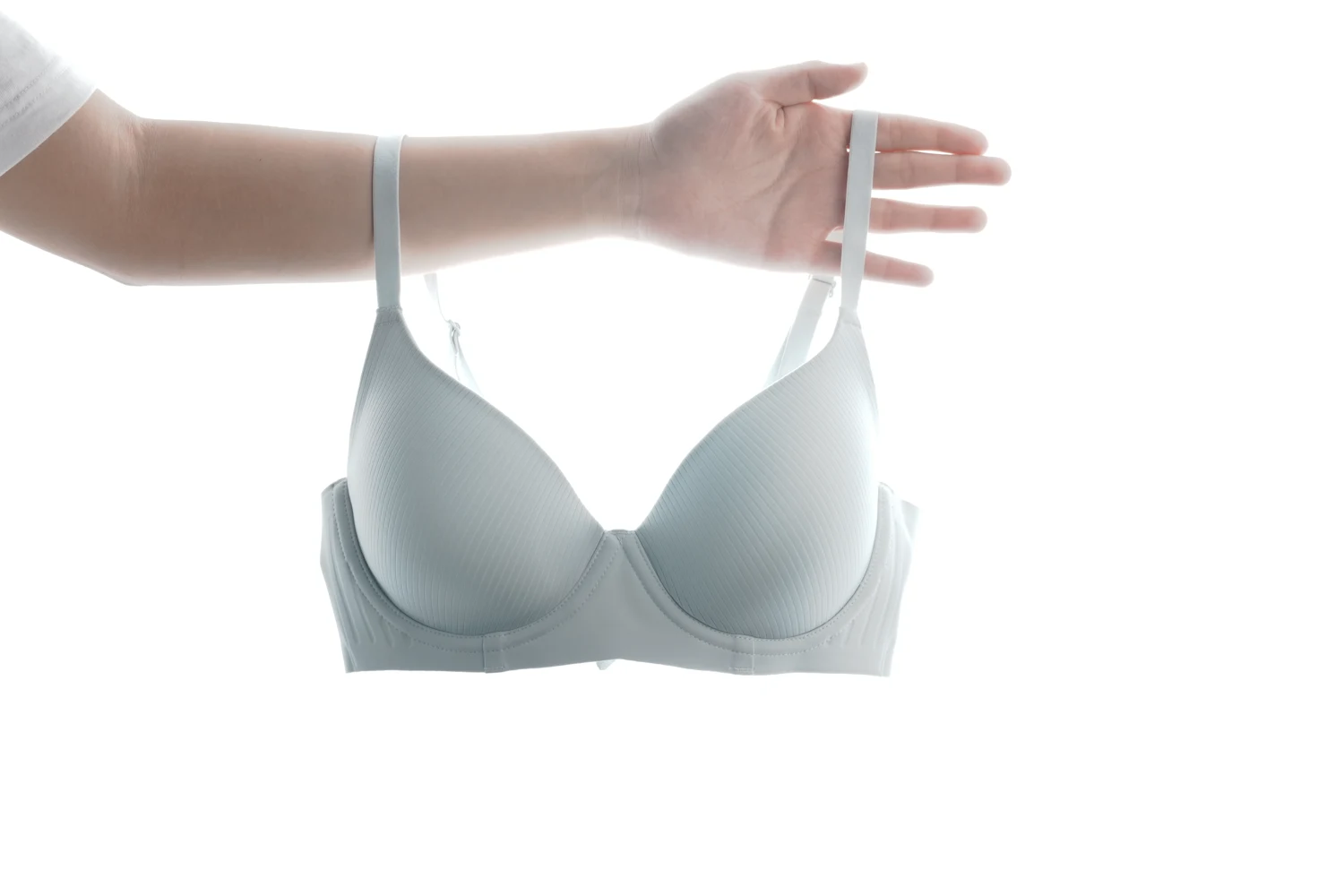
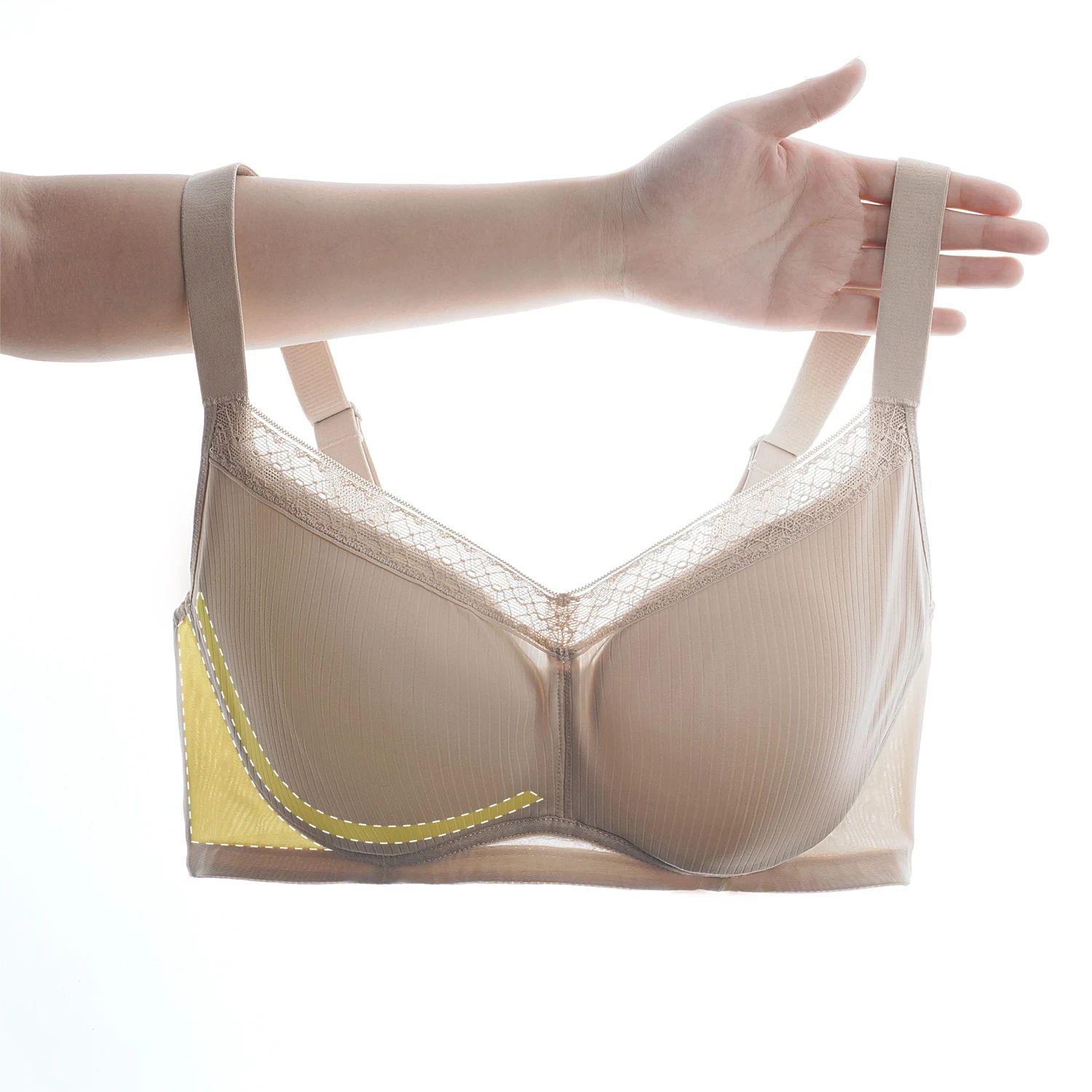
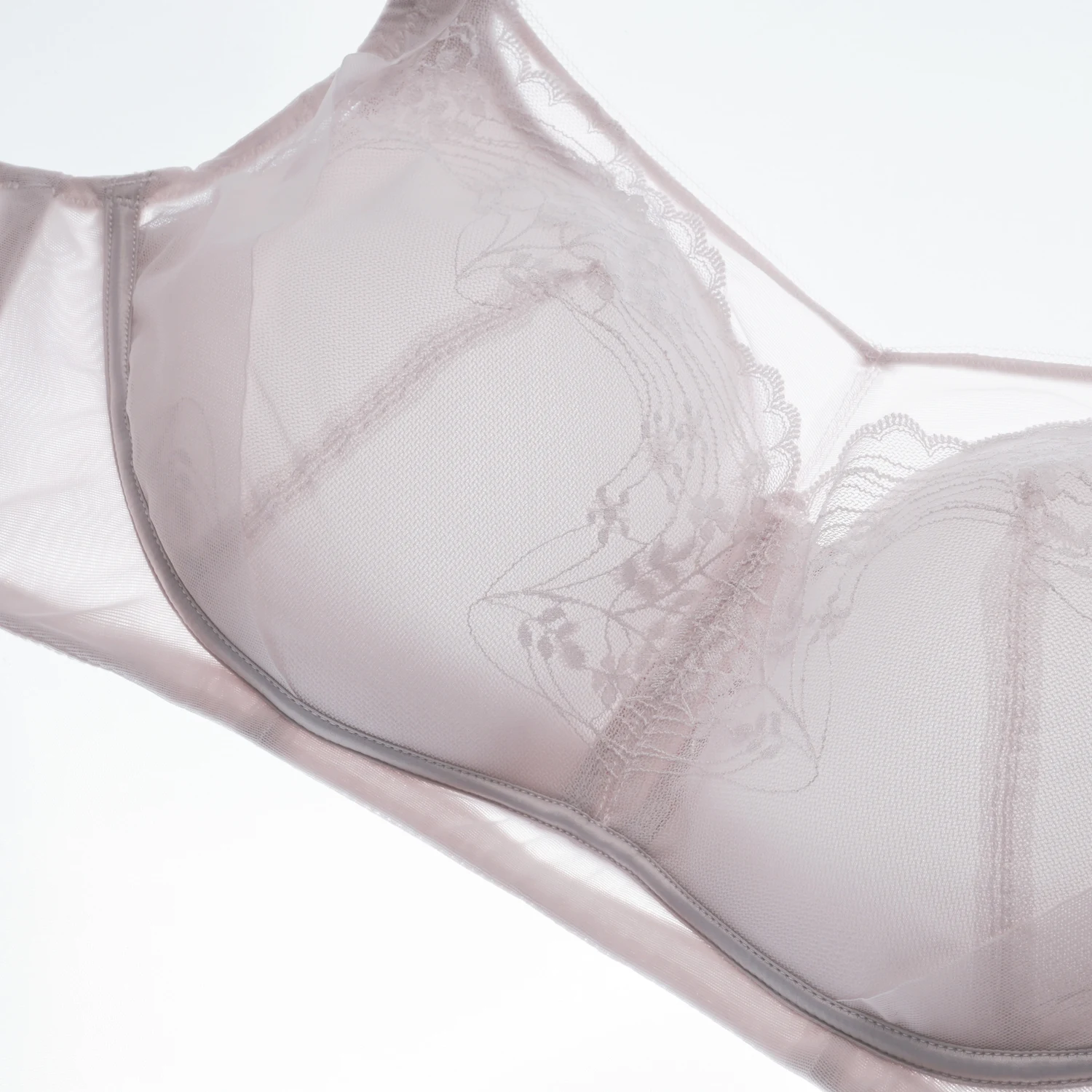
JEMIS's company presentation documents a development sequence on slides 23 and 24: concept imagery, 3D work, visual presentation and a physical sample before order confirmation.

Define the decision
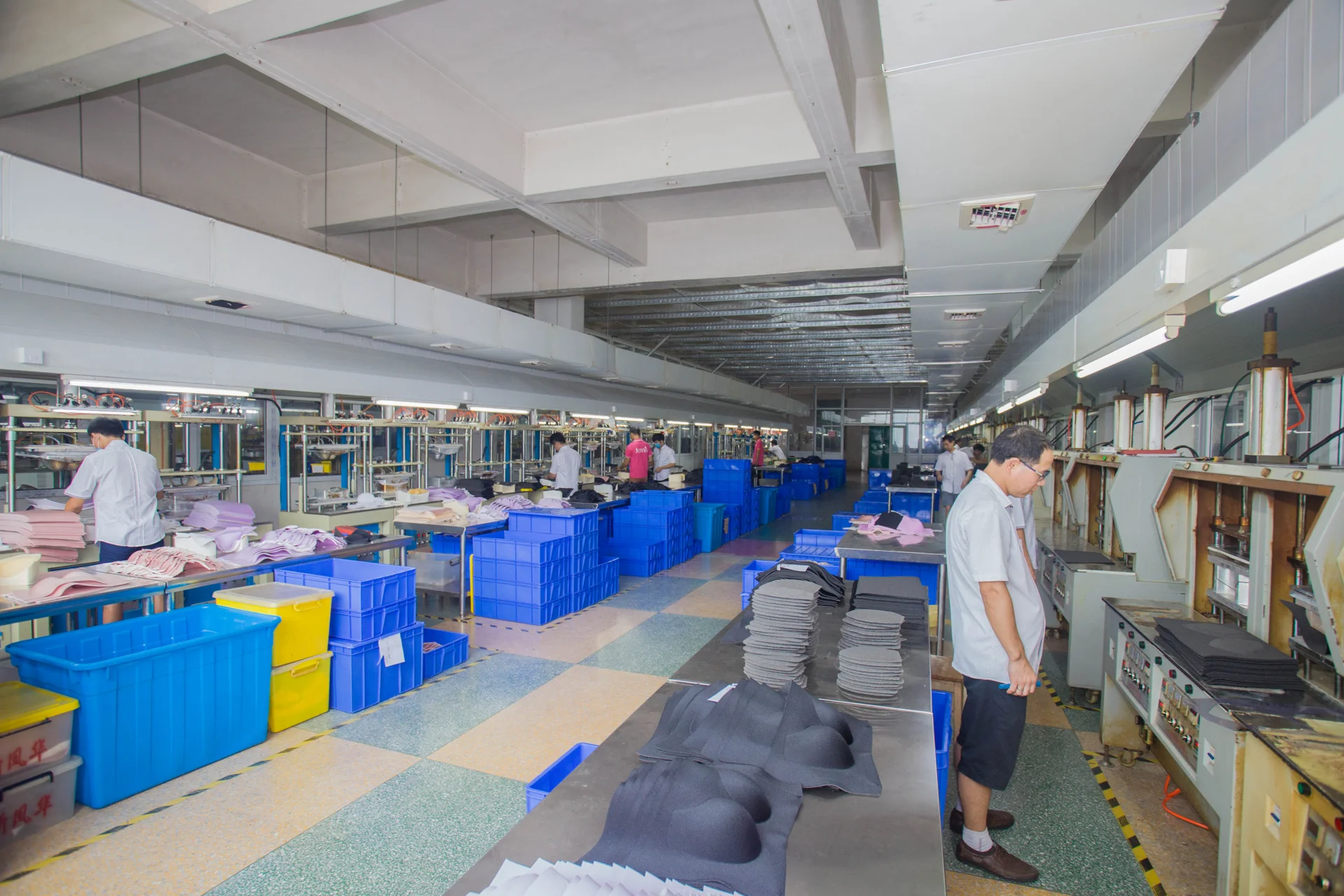
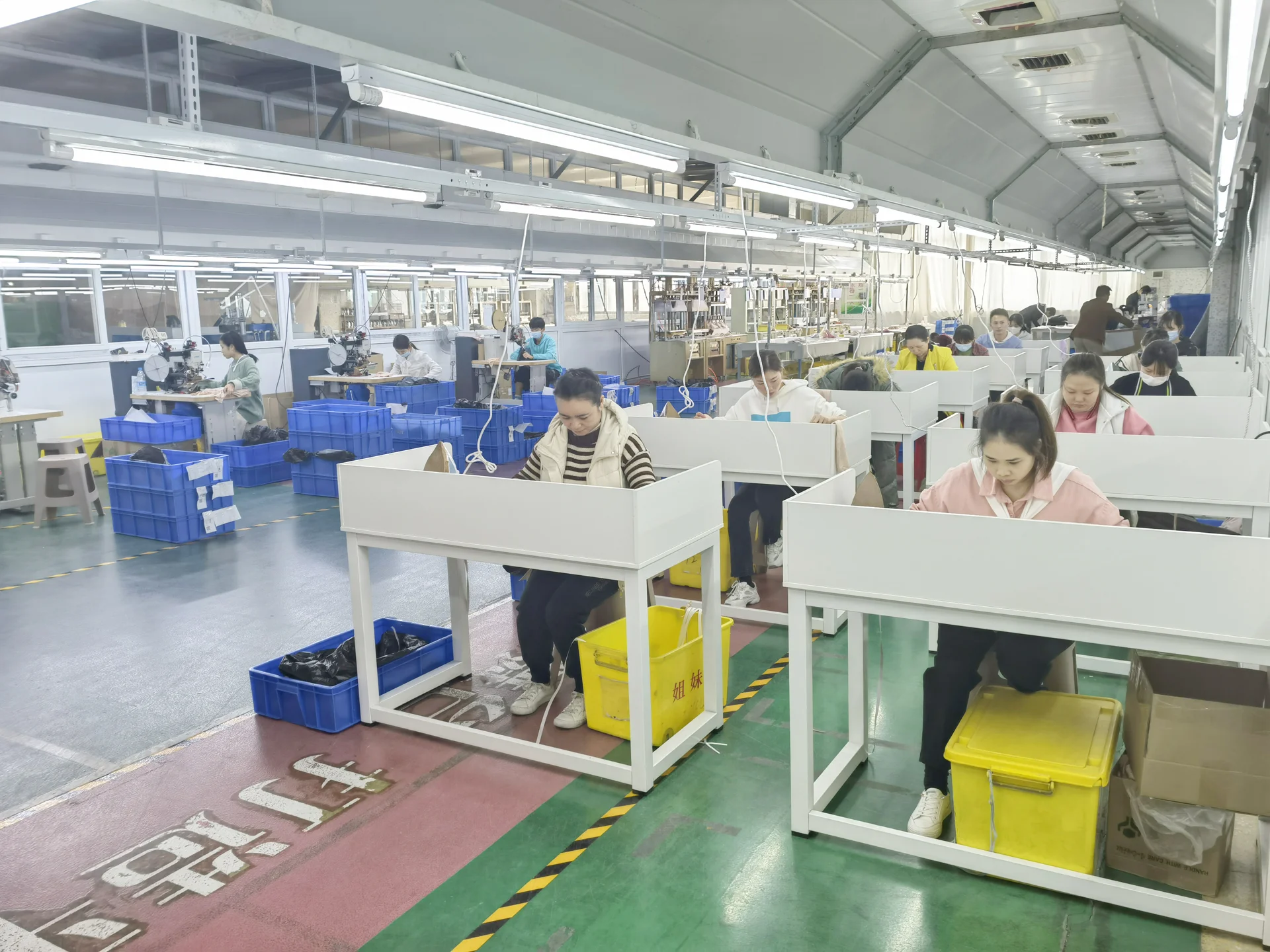
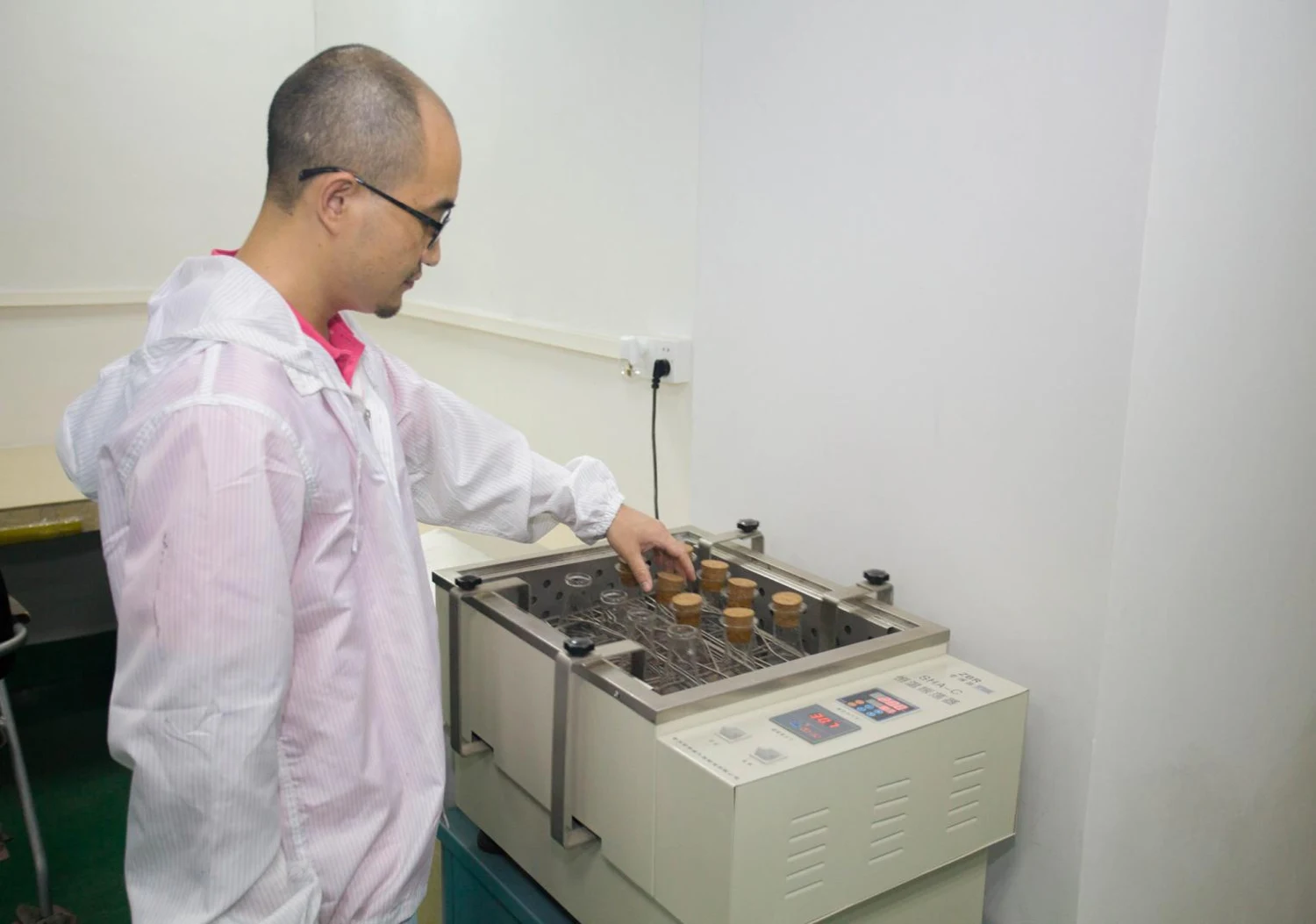
JEMIS's company presentation documents a development sequence on slides 23 and 24: concept imagery, 3D work, visual presentation and a physical sample before order confirmation. The material also includes photographs of the development team and sample room. This establishes a described workflow, not a measured reduction in development time or a completed customer program.
What to review
For a new brief, separate visual decisions from physical ones. The concept review can resolve direction and silhouette; the real sample must support discussion of materials, measurements, assembly and fit. Identify the version and size when returning comments. If the digital proposal assumes a fabric that is later replaced, reopen the affected physical review instead of treating the original image as an unchanged specification.
Turn the review into an approval
The practical output is an approval trail: brief, selected concept, sample revisions, material list and final confirmation conditions. Ask the company to confirm responsibilities and timing for the actual scope. Preserve unresolved questions in the handover so that silence is not mistaken for approval. The case describes a documented process and proposed buyer controls; it does not claim an unverified sample success rate, shortened lead time or customer result.